**Sindh Unveils Electric Buses and Double-Decker Vehicles to Boost Public Transport**
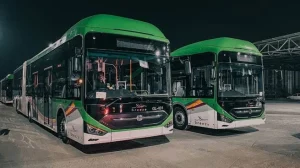
In a major step towards modernizing its public transit system, the Sindh government has initiated a project to roll out electric buses and double-decker vehicles across the province. This initiative is part of a comprehensive strategy to upgrade public transport infrastructure, minimize environmental pollution, and enhance the commuting experience for locals.
**Electric Buses: A Move Toward Eco-Friendliness**
The launch of electric buses signifies a significant transition towards sustainable urban mobility in Sindh. These vehicles operate on electricity, greatly lowering the carbon emissions in comparison to conventional diesel buses. The shift to electric buses is consistent with global efforts to address climate change and encourage renewable energy alternatives.
Electric buses bring various benefits, such as lower operational expenses, diminished noise pollution, and improved air quality. By moving to electric options, Sindh intends to lessen its dependence on fossil fuels and help foster a cleaner environment. This project is anticipated to motivate other regions within Pakistan to explore similar environmentally friendly transport options.
**Double-Deckers: Improving Capacity and Convenience**
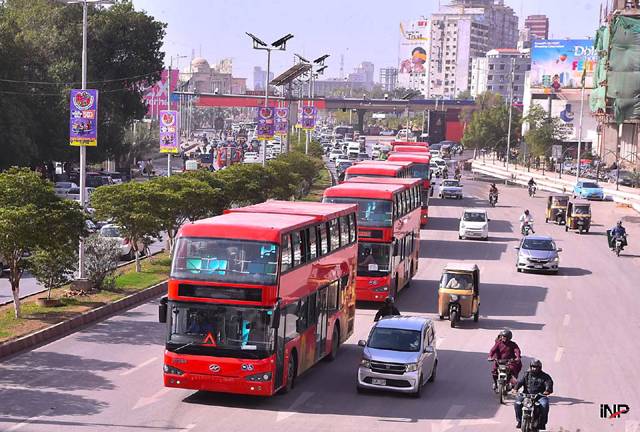
In addition to electric buses, the introduction of double-decker vehicles is poised to transform public transport in Sindh. Double-decker buses are recognized for their heightened passenger capacity, making them suitable for crowded urban settings. These buses will assist in reducing congestion during busy times, delivering a more pleasant and efficient travel experience for passengers.
The comeback of double-decker buses also brings a sense of nostalgia, as they were previously a familiar sight in Karachi and various areas of Sindh. Their reappearance is expected to be warmly welcomed by the public, providing not just functionality but also a hint of history to the city’s streets.
**Effect on Public Transport Framework**
The incorporation of electric and double-decker buses into Sindh’s public transport system is expected to produce a transformative effect. It is likely to result in an uptick in public transport usage, as enhanced services and modern vehicles attract a larger number of users. This transition could contribute to alleviating traffic congestion and lowering the volume of private vehicles on the roads, thereby enhancing urban mobility.
Additionally, the initiative is set to generate new employment opportunities within the transport sector, spanning from vehicle upkeep to operational roles. The government aims to invest in training initiatives to provide the workforce with the essential skills to manage and service the new bus fleet.
**Obstacles and Future Outlook**
While the introduction of electric and double-decker buses presents an encouraging development, it also brings certain challenges. Establishing charging infrastructure for electric buses is vital to ensure their smooth functioning. Furthermore, maintaining double-decker buses demands specialized facilities and expertise.
The Sindh government is dedicated to tackling these challenges through strategic planning and collaboration with private sector stakeholders. The successful implementation of this initiative could lead to further enhancements in public transport, including the possible expansion of electric bus routes and the adoption of smart technologies for improved service management.
In summary, the introduction of electric and double-decker buses in Sindh showcases a progressive strategy for improving public transport. By focusing on sustainability, capacity, and comfort, the province is establishing a standard for contemporary urban mobility in Pakistan. As these initiatives develop, they promise to deliver a cleaner, more efficient, and more accessible public transport framework for the residents of Sindh.