
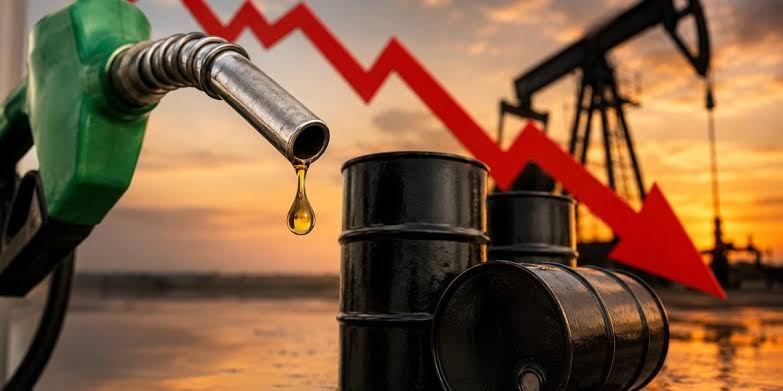
Title: The Worldwide Surge in Diesel Prices: Reasons and Consequences
Introduction
Recently, the global market has experienced a notable rise in diesel prices, impacting economies, sectors, and consumers around the world. Diesel, an essential fuel for transportation and industry, is integral to the worldwide supply chain. Grasping the reasons for this price increase and its consequences is vital for policymakers, businesses, and consumers.
Reasons for the Surge in Diesel Prices
1. **Crude Oil Price Variability**: Diesel prices are intricately linked to crude oil prices. Any fluctuations in the oil market, often caused by geopolitical conflicts, production reductions by leading oil-producing nations, or natural calamities impacting oil infrastructure, directly affect diesel prices.
2. **Disruptions in Supply Chains**: The COVID-19 pandemic resulted in major disruptions throughout global supply chains. Lockdowns and restrictions diminished production and transportation capabilities, causing shortages and escalating costs for diesel production and distribution.
3. **Environmental Compliance Costs**: Stricter environmental regulations targeting emissions reduction have escalated expenses for refineries to create cleaner diesel. Investments in technology and infrastructure to satisfy these regulations have been transferred to consumers via higher prices.
4. **Rising Demand**: As economies recover from the pandemic, there has been an increase in demand for diesel, especially in developing nations undergoing rapid industrial growth and urban development. This heightened demand has exerted upward pressure on prices.
5. **Currency Value Changes**: The strength of the U.S. dollar, the currency typically used for oil transactions, influences diesel prices internationally. A robust dollar makes oil costlier for nations with weaker currencies, leading to elevated diesel prices.
Consequences of Escalating Diesel Prices
1. **Economic Consequences**: Rising diesel prices elevate transportation and production expenses, leading to inflationary effects. This can diminish consumer buying power and hinder economic progress, particularly in nations that heavily depend on diesel for transportation and industry.
2. **Effect on Transportation and Logistics**: The transportation industry, which relies heavily on diesel, confronts rising operational costs. This can result in boosted freight charges, impacting the prices of goods and services across various sectors.
3. **Challenges for Agriculture**: Diesel is crucial for agricultural machinery and transportation. Rising costs can escalate farming operation expenses, resulting in higher food prices and potential concerns about food security.
4. **Strain on Renewable Energy Transition**: While climbing diesel prices might encourage investment in alternative energy sources, they also place pressure on economies, possibly diverting resources from renewable energy initiatives.
5. **Social and Political Unrest**: In many nations, fuel prices are a politically charged topic. Significant price hikes can incite public discontent, protests, and difficulties for governments in sustaining social order.
Conclusion
The global rise in diesel prices is a complex issue with extensive repercussions. Tackling this challenge necessitates collaborative efforts from governments, industries, and international organizations to stabilize markets, invest in alternative energy solutions, and implement policies that alleviate the impact on vulnerable communities. Understanding the reasons and ramifications of rising diesel prices is essential for formulating effective strategies to navigate this intricate landscape.