Article Summary
- BMW assembled around 450 units of the M1 road car, but the engine from these vehicles was utilized in four separate production models.
- The E28 M5 showcased the identical M88/3 engine as the M635CSi, meticulously crafted in Garching, and was regarded as the quickest production sedan in the world upon its debut.
- The least recognized use of the M88 engine occurred in a virtually unheard-of South African 7 Series.
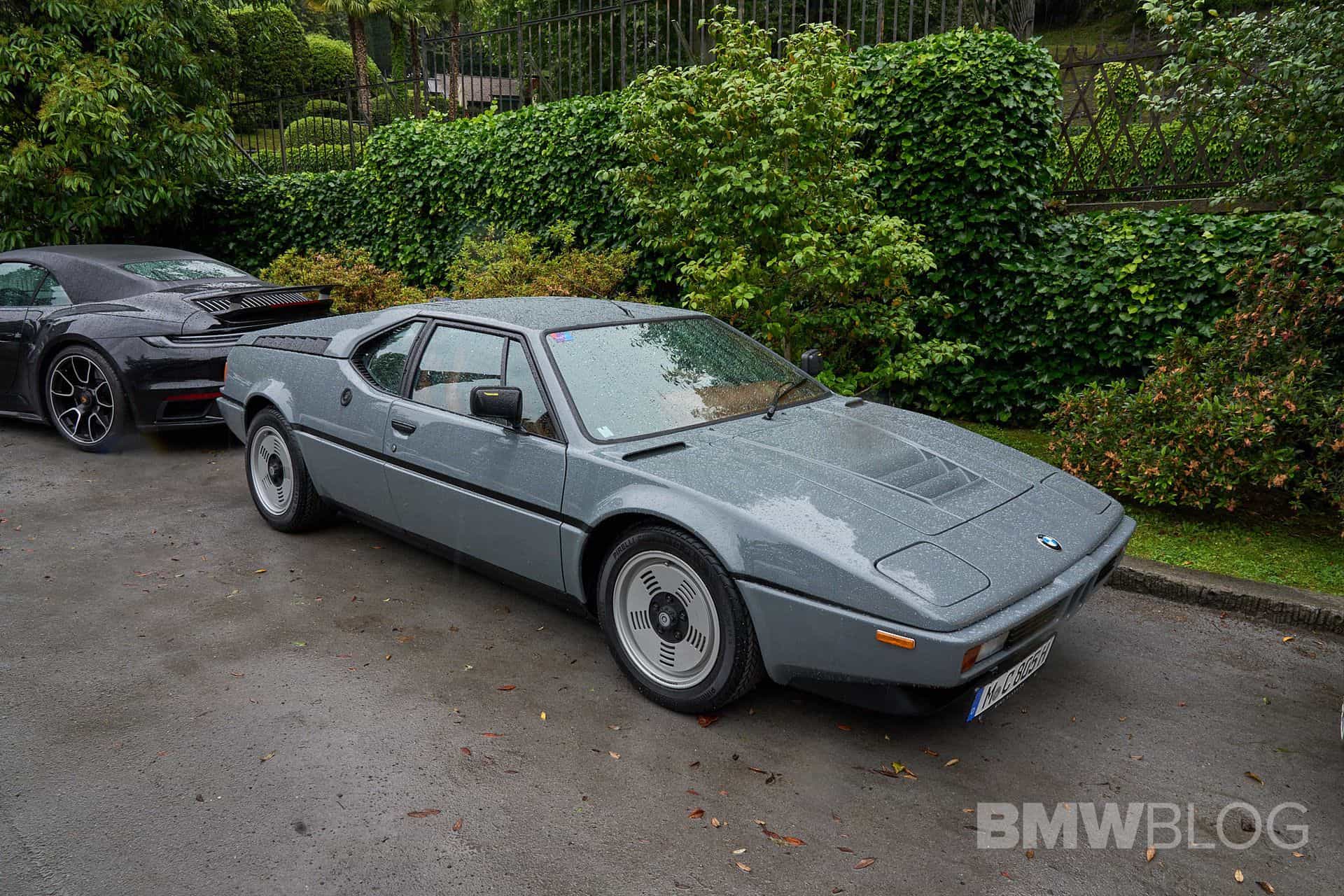
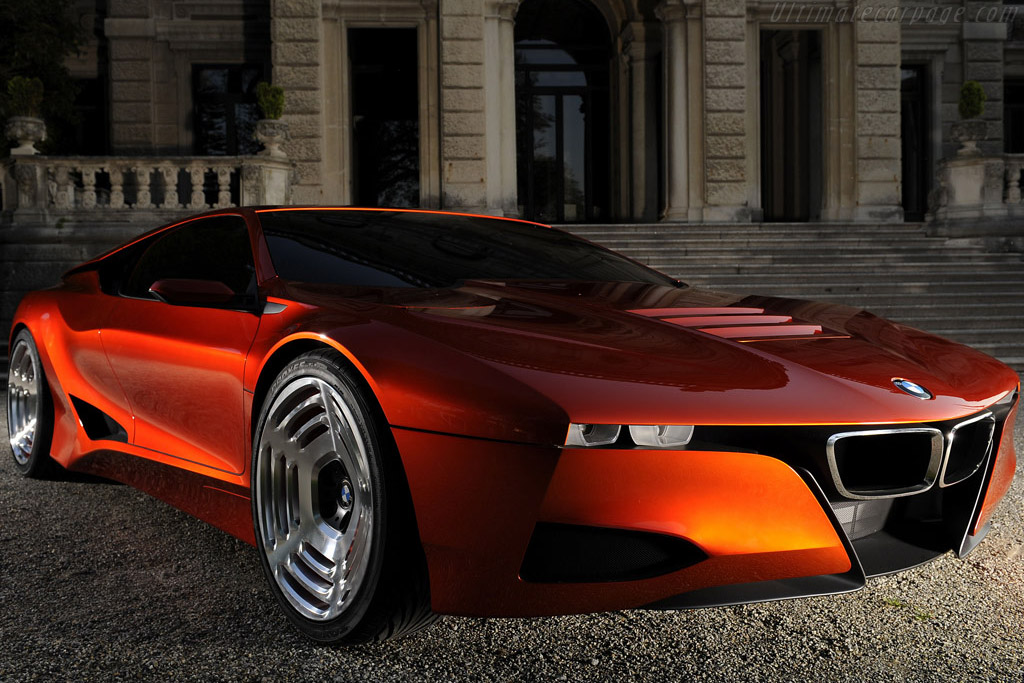
BMW's primary motivation behind the M1 was racing competition. To meet regulations, a street-legal variant was essential, leading to the creation of a mid-engine supercar in partnership with Lamborghini, featuring Giugiaro’s body design and a potent twin-cam inline-six engine. From 1978 to 1981, about 450 road cars were built before production ended.
Nonetheless, the engine remained in use even after the production wrapped up.
Presenting the Essence of a Supercar
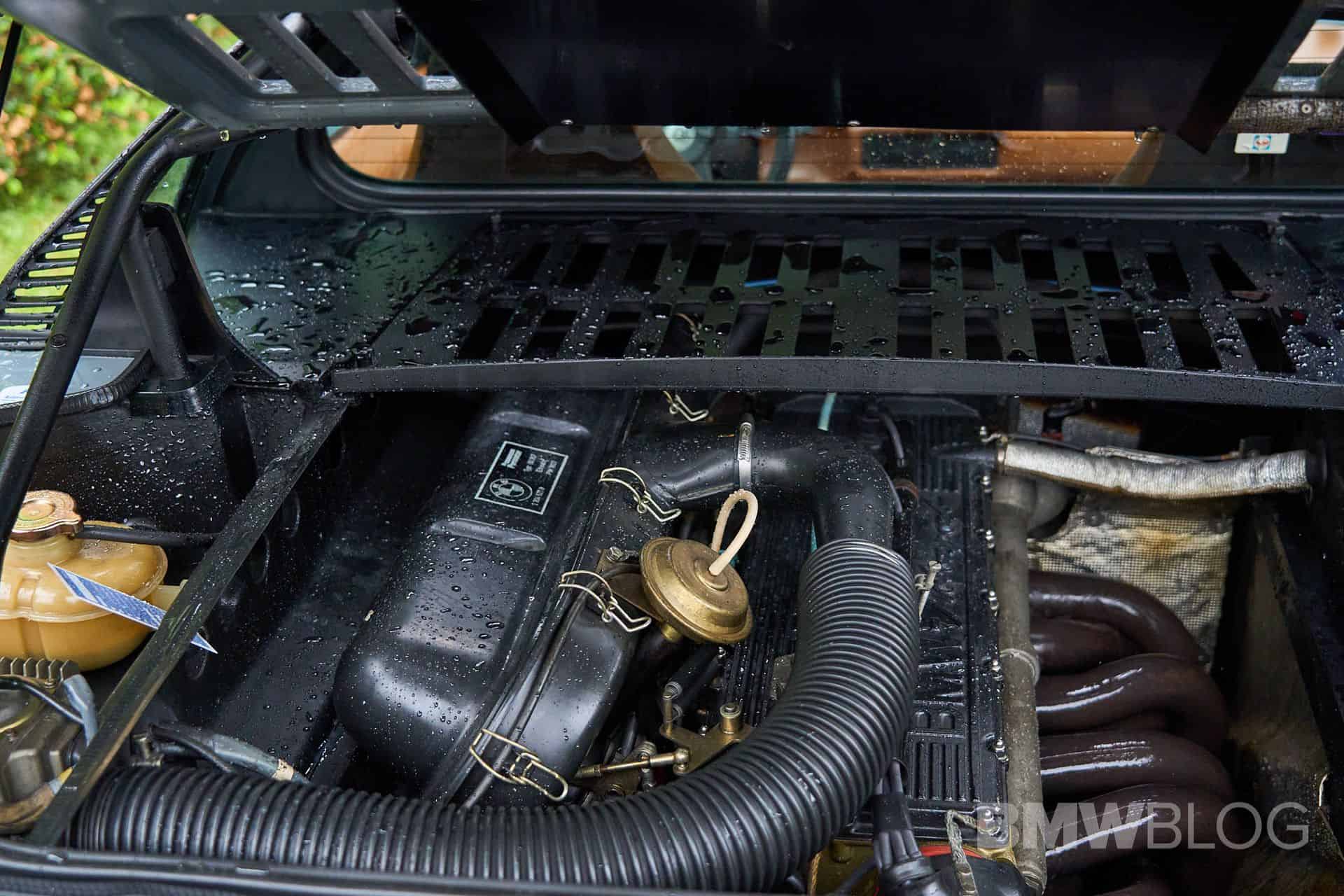
The M88 engine, a 3,453cc inline-six with distinct throttle bodies and a 9.0:1 compression ratio, was engineered to perform beyond 5,000 rpm. In its street form, it produced 277 horsepower, while the turbo Group 5 version was capable of generating over 800 hp. BMW's M division acknowledged its prowess and ensured that it was utilized rather than left unused.
In the subsequent decade, the M88 and its closely related variant, the M88/3, were included in four different BMW production models. Three are widely recognized, while one remains less known.
BMW M1 (E26, 1978–1981)
The M1 initiates the M88 story. Crafted as a homologation vehicle for Group 4 and Group 5 racing, the M88/1 was developed to serve as a road-legal competition engine. It could reach 6,500 rpm, employed a Kugelfischer mechanical fuel injection system, and delivered power outputs in 1978 that exceeded many sports cars. The M1 could sprint to 100 km/h in approximately 5.5 seconds and attain a peak speed of 260 km/h.
Production was hampered when Lamborghini, responsible for body assembly, faced financial difficulties, leading to project delays. Nonetheless, the final result justified the wait, as M1s often sell for over $200,000 at auctions today, largely due to the legacy of the engine.
BMW M635CSi (E24, 1983–1989)
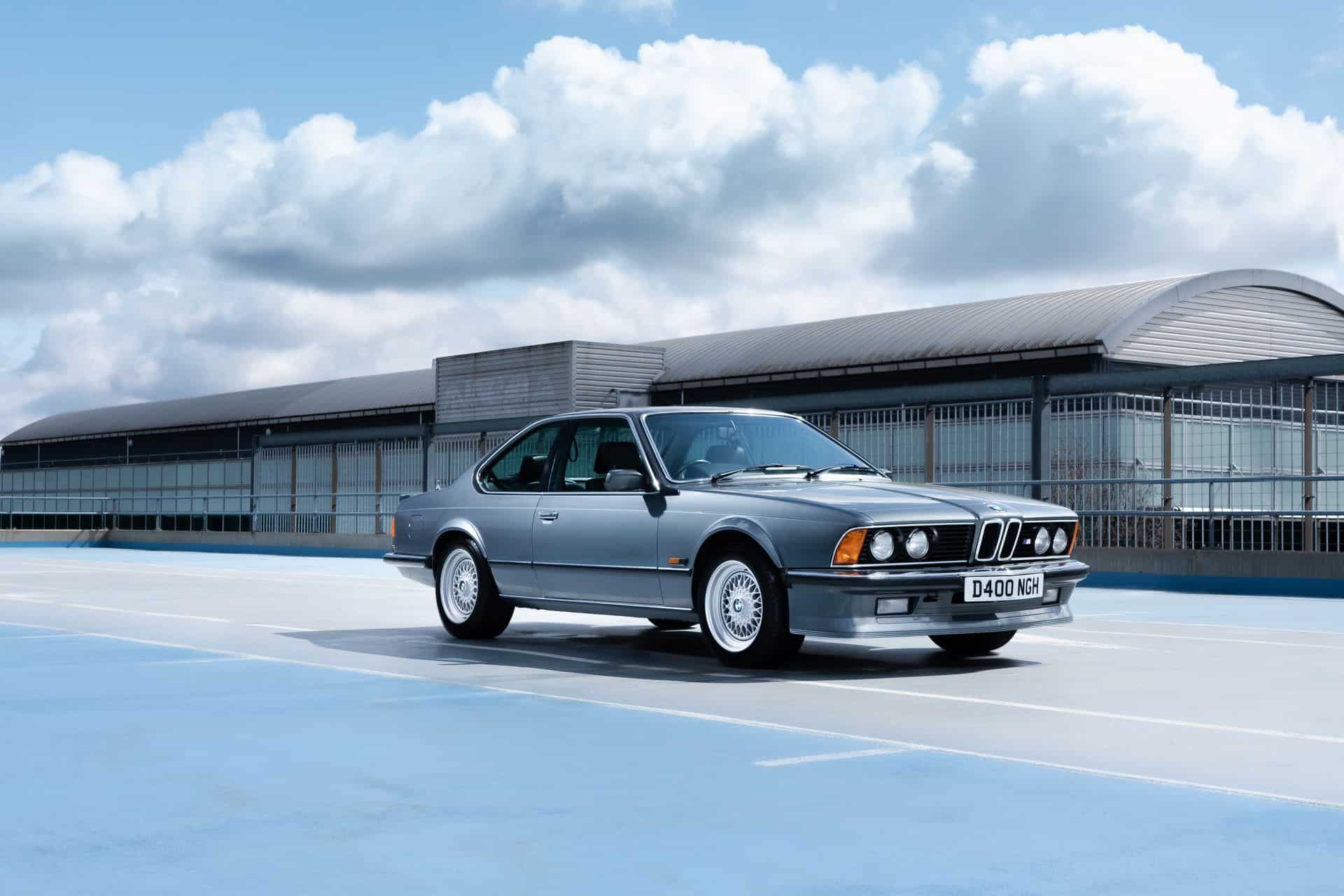
After the M1, the revised M88/3 engine, now yielding 286 hp, was fitted into the 6 Series coupe. Despite the M635CSi appearing similarly to the standard 635CSi, it was inherently different: featuring broader tracks, a firmer suspension, and a straight-six engine that excelled up to the redline. BMW categorized it as a grand tourer, which aptly described its capabilities yet downplayed its exhilarating driving dynamics.
This variant also introduced the M88 to the North American market, albeit in a modified format. U.S. models bore the M6 emblem and employed the S38 engine for emissions compliance, whereas the M635CSi with the original M88/3 remained exclusive to Europe, enhancing its desirability.
BMW M5 (E28, 1984–1988)
This model effectively popularized the M88. BMW integrated the 286 hp M88/3 into a conventional 5 Series sedan, painstakingly assembled by a small team in Garching, culminating in what was thought to be the fastest production sedan worldwide at
Article Summary
- BMW assembled around 450 units of the M1 road car, but the engine from these vehicles was utilized in four separate production models.
- The E28 M5 showcased the identical M88/3 engine as the M635CSi, meticulously crafted in Garching, and was regarded as the quickest production sedan in the world upon its debut.
- The least recognized use of the M88 engine occurred in a virtually unheard-of South African 7 Series.
BMW’s primary motivation behind the M1 was racing competition. To meet regulations, a street-legal variant was essential, leading to the creation of a mid-engine supercar in partnership with Lamborghini, featuring Giugiaro’s body design and a potent twin-cam inline-six engine. From 1978 to 1981, about 450 road cars were built before production ended.
Nonetheless, the engine remained in use even after the production wrapped up.
Presenting the Essence of a Supercar
The M88 engine, a 3,453cc inline-six with distinct throttle bodies and a 9.0:1 compression ratio, was engineered to perform beyond 5,000 rpm. In its street form, it produced 277 horsepower, while the turbo Group 5 version was capable of generating over 800 hp. BMW’s M division acknowledged its prowess and ensured that it was utilized rather than left unused.
In the subsequent decade, the M88 and its closely related variant, the M88/3, were included in four different BMW production models. Three are widely recognized, while one remains less known.
BMW M1 (E26, 1978–1981)
The M1 initiates the M88 story. Crafted as a homologation vehicle for Group 4 and Group 5 racing, the M88/1 was developed to serve as a road-legal competition engine. It could reach 6,500 rpm, employed a Kugelfischer mechanical fuel injection system, and delivered power outputs in 1978 that exceeded many sports cars. The M1 could sprint to 100 km/h in approximately 5.5 seconds and attain a peak speed of 260 km/h.
Production was hampered when Lamborghini, responsible for body assembly, faced financial difficulties, leading to project delays. Nonetheless, the final result justified the wait, as M1s often sell for over $200,000 at auctions today, largely due to the legacy of the engine.
BMW M635CSi (E24, 1983–1989)
After the M1, the revised M88/3 engine, now yielding 286 hp, was fitted into the 6 Series coupe. Despite the M635CSi appearing similarly to the standard 635CSi, it was inherently different: featuring broader tracks, a firmer suspension, and a straight-six engine that excelled up to the redline. BMW categorized it as a grand tourer, which aptly described its capabilities yet downplayed its exhilarating driving dynamics.
This variant also introduced the M88 to the North American market, albeit in a modified format. U.S. models bore the M6 emblem and employed the S38 engine for emissions compliance, whereas the M635CSi with the original M88/3 remained exclusive to Europe, enhancing its desirability.
BMW M5 (E28, 1984–1988)
This model effectively popularized the M88. BMW integrated the 286 hp M88/3 into a conventional 5 Series sedan, painstakingly assembled by a small team in Garching, culminating in what was thought to be the fastest production sedan worldwide at