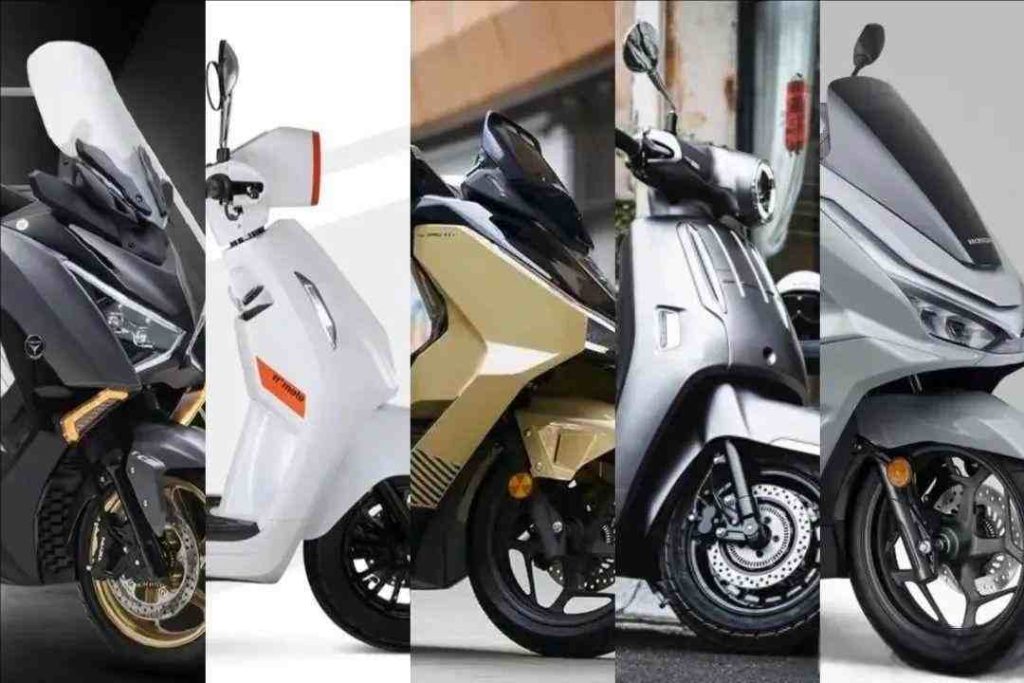
**Contrasting Electric Motorcycles and Electric Bikes: Selecting the Optimal Choice for Your Requirements**
As society moves towards more sustainable transportation options, electric motorcycles and electric bikes have become favored selections for environmentally aware commuters. Each offers distinct benefits, but determining which fits your requirements best necessitates a detailed analysis of their characteristics, advantages, and drawbacks.
**Electric Motorcycles: Strength and Efficiency**
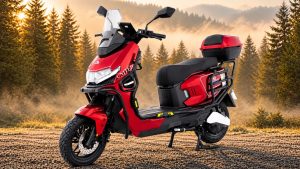
Electric motorcycles cater to individuals who desire power and velocity. They come with larger engines and batteries, yielding higher maximum speeds and extended ranges compared to electric bikes. This makes them appropriate for highway travel and longer excursions. Electric motorcycles frequently incorporate cutting-edge technology, such as regenerative braking, multiple riding modes, and advanced suspension systems, enriching the overall riding experience.
**Benefits of Electric Motorcycles:**
1. **Velocity and Range**: With maximum speeds often surpassing 100 mph and ranges reaching 200 miles on a single charge, electric motorcycles are perfect for long-distance journeys.
2. **Performance**: Immediate torque and rapid acceleration offer an exhilarating experience for speed aficionados.
3. **Durability**: Constructed with sturdy materials, they are built to navigate various terrains and weather conditions.
4. **Sophisticated Features**: Numerous models are equipped with smart connectivity, enabling riders to track performance and battery status through mobile applications.
**Drawbacks of Electric Motorcycles:**
1. **Price**: Typically costlier than electric bikes, both in terms of initial investment and upkeep.
2. **Weight**: Heavier than electric bikes, resulting in decreased maneuverability in confined urban environments.
3. **Licensing and Insurance**: They require a motorcycle license and insurance, which adds to the overall expense and complexity.
**Electric Bikes: Practicality and Availability**
Electric bikes, or e-bikes, present a flexible alternative for urban commuters and casual riders. They merge the advantages of conventional bicycles with an electric motor, offering pedal assistance to lessen the workload associated with riding. E-bikes are ideal for city travel, brief trips, and relaxed rides.
**Benefits of Electric Bikes:**
1. **Cost-Effectiveness**: Generally less expensive than electric motorcycles, with lower acquisition and maintenance costs.
2. **User-Friendly**: Lightweight and easy to manage, making them suitable for riders of all ages and fitness levels.
3. **No Licensing Necessary**: In most areas, e-bikes do not require a special license or insurance.
4. **Environmentally Friendly**: Generating zero emissions and consuming minimal energy, they are a sustainable choice.
**Drawbacks of Electric Bikes:**
1. **Speed and Range**: Usually restricted to speeds between 20-28 mph and ranges of 20-50 miles per charge, making them less ideal for extended travel.
2. **Performance**: Not as powerful as electric motorcycles, which may not meet the expectations of thrill-seekers.
3. **Sensitivity to Weather**: Not as resilient in severe weather compared to electric motorcycles.
**Determining the Optimal Choice for Your Needs**
When choosing between an electric motorcycle and an electric bike, reflect on your individual preferences and lifestyle. If speed, long-range capability, and performance are your top priorities and you are ready to invest in a pricier option, an electric motorcycle might be the ideal selection. Conversely, if you desire an economical, convenient, and eco-friendly transportation option for short distances and recreational purposes, an electric bike may be more fitting.
In the end, both electric motorcycles and electric bikes present sustainable alternatives to conventional vehicles, aiding in fostering a cleaner and greener future. By assessing your priorities and grasping the unique characteristics of each, you can arrive at a knowledgeable decision that resonates with your transportation needs and environmental principles.