
June 3, 2026
The Significance of Managing Speed During the Shift from Motorbikes to Electric Vehicles
**The Significance of Speed Regulation in the Shift from Motorbikes to Electric Vehicles**As the globe moves toward eco-friendly transport, the shift from conventional motorbikes to electric vehicles (EVs) is gaining traction. This transformation is not merely about embracing new technology; it signifies a fundamental shift in how we understand and handle speed and control. Recognizing the significance of control over speed is essential for facilitating a seamless and safe transition to electric vehicles.**Grasping the Interplay of Speed and Control**Motorbikes have historically been linked with speed and maneuverability. Riders frequently enjoy the excitement of rapid acceleration and the liberty of unencumbered roads. Nevertheless, this focus on speed can occasionally overshadow the critical aspect of control, resulting in safety hazards. With the emergence of electric vehicles, there lies an opportunity to readjust this equilibrium. EVs, especially electric motorbikes, provide sophisticated features that enhance control, including regenerative braking, traction control, and adjustable power settings. These capabilities can assist riders in governing speed more proficiently, fostering safer riding practices.**The Impact of Technology on Control Enhancement**Electric vehicles come equipped with state-of-the-art technology that can substantially boost control. For example, regenerative braking not only aids in energy preservation but also ensures smoother deceleration, minimizing the dependence on conventional braking systems. Traction control systems avert wheel spin during acceleration, particularly on slick surfaces, improving stability. Moreover, numerous electric motorbikes provide customizable power settings, enabling riders to fine-tune the bike's performance to meet various riding scenarios. These technological innovations empower riders to sustain better control over their vehicles, lessening the chances of accidents.**Safety Considerations of Speed Regulation**Managing speed is a vital element in guaranteeing road safety. Elevated speeds heighten the likelihood of accidents and decrease the available time for riders to react to unexpected obstacles. By emphasizing control over speed, riders can maneuver through traffic more securely and respond more adeptly to fluctuating road conditions. Electric vehicles, with their immediate torque and swift acceleration, might tempt riders to exceed speed limits. Nonetheless, the focus should be on utilizing these features responsibly, leveraging the advanced control systems to uphold safe speeds.**Ecological and Financial Advantages**Aside from safety, regulating speed in electric vehicles yields environmental and financial rewards. Effective speed management can result in lower energy consumption, thereby extending the range of electric motorbikes and decreasing the frequency of charging sessions. This not only diminishes environmental consequences but also leads to cost reductions for riders. By embracing a more measured approach to speed, riders can enhance the efficiency of their electric vehicles, promoting a more sustainable future.**Cultural Transformation Towards Responsible Riding**The transition to electric vehicles also calls for a cultural transformation towards responsible riding. This process involves altering views on speed and welcoming the advantages of control. Educational programs and awareness campaigns can be instrumental in facilitating this change. By emphasizing the benefits of control over speed, such as enhanced safety, ecological gains, and financial savings, riders can be motivated to adopt more conscientious riding practices.**Final Thoughts**The shift from motorbikes to electric vehicles offers a chance to reframe the connection between speed and control. By prioritizing control over speed, riders can bolster safety, mitigate environmental impact, and reap the economic benefits of efficient energy utilization. As technology continues to progress, embracing these advancements will be crucial for achieving a triumphant and sustainable transition to electric vehicles.


**The Significance of Speed Regulation in the Shift from Motorbikes to Electric Vehicles**

As the globe moves toward eco-friendly transport, the shift from conventional motorbikes to electric vehicles (EVs) is gaining traction. This transformation is not merely about embracing new technology; it signifies a fundamental shift in how we understand and handle speed and control. Recognizing the significance of control over speed is essential for facilitating a seamless and safe transition to electric vehicles.
**Grasping the Interplay of Speed and Control**

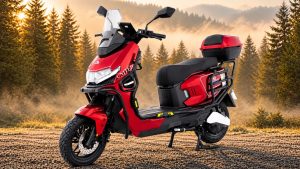
Motorbikes have historically been linked with speed and maneuverability. Riders frequently enjoy the excitement of rapid acceleration and the liberty of unencumbered roads. Nevertheless, this focus on speed can occasionally overshadow the critical aspect of control, resulting in safety hazards. With the emergence of electric vehicles, there lies an opportunity to readjust this equilibrium. EVs, especially electric motorbikes, provide sophisticated features that enhance control, including regenerative braking, traction control, and adjustable power settings. These capabilities can assist riders in governing speed more proficiently, fostering safer riding practices.

**The Impact of Technology on Control Enhancement**

Electric vehicles come equipped with state-of-the-art technology that can substantially boost control. For example, regenerative braking not only aids in energy preservation but also ensures smoother deceleration, minimizing the dependence on conventional braking systems. Traction control systems avert wheel spin during acceleration, particularly on slick surfaces, improving stability. Moreover, numerous electric motorbikes provide customizable power settings, enabling riders to fine-tune the bike’s performance to meet various riding scenarios. These technological innovations empower riders to sustain better control over their vehicles, lessening the chances of accidents.

**Safety Considerations of Speed Regulation**

Managing speed is a vital element in guaranteeing road safety. Elevated speeds heighten the likelihood of accidents and decrease the available time for riders to react to unexpected obstacles. By emphasizing control over speed, riders can maneuver through traffic more securely and respond more adeptly to fluctuating road conditions. Electric vehicles, with their immediate torque and swift acceleration, might tempt riders to exceed speed limits. Nonetheless, the focus should be on utilizing these features responsibly, leveraging the advanced control systems to uphold safe speeds.

**Ecological and Financial Advantages**

Aside from safety, regulating speed in electric vehicles yields environmental and financial rewards. Effective speed management can result in lower energy consumption, thereby extending the range of electric motorbikes and decreasing the frequency of charging sessions. This not only diminishes environmental consequences but also leads to cost reductions for riders. By embracing a more measured approach to speed, riders can enhance the efficiency of their electric vehicles, promoting a more sustainable future.

**Cultural Transformation Towards Responsible Riding**

The transition to electric vehicles also calls for a cultural transformation towards responsible riding. This process involves altering views on speed and welcoming the advantages of control. Educational programs and awareness campaigns can be instrumental in facilitating this change. By emphasizing the benefits of control over speed, such as enhanced safety, ecological gains, and financial savings, riders can be motivated to adopt more conscientious riding practices.

**Final Thoughts**

The shift from motorbikes to electric vehicles offers a chance to reframe the connection between speed and control. By prioritizing control over speed, riders can bolster safety, mitigate environmental impact, and reap the economic benefits of efficient energy utilization. As technology continues to progress, embracing these advancements will be crucial for achieving a triumphant and sustainable transition to electric vehicles.