
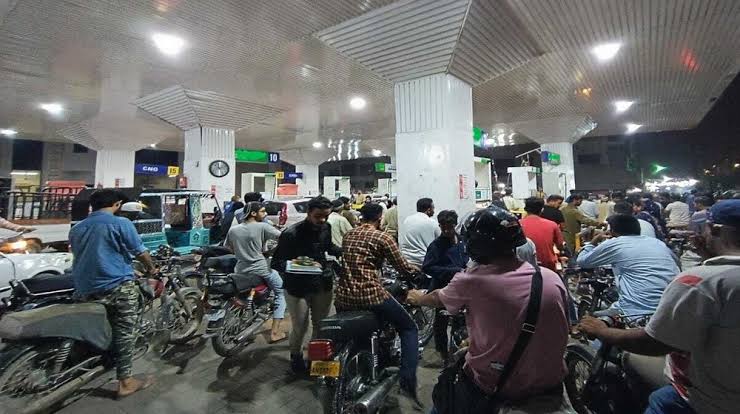
**Title: The Imminent Shutdown of 15,000 Fuel Stations: An Outcome of Failed Pricing Negotiations**
In a crucial event that could alter the fuel retail market, around 15,000 fuel stations are poised to shut down due to failed pricing negotiations. This action is anticipated to produce extensive repercussions for consumers, businesses, and the overall economy.
**Background: The Collapse of Negotiations**
The impending closures result from a collapse in discussions between fuel suppliers and fuel station owners. Central to the conflict is the pricing framework that determines fuel costs at the pump. Owners have been pushing for a more beneficial pricing arrangement that would enable them to sustain profitability amidst variable oil prices and rising operational expenses. However, fuel suppliers have been unable to accommodate these requests, citing their own fiscal limitations and market challenges.
**Effects on Consumers**
For consumers, the shutdown of such a significant number of fuel stations may increase travel distances to procure fuel, especially in rural and sparsely populated regions. This situation could lead to longer wait times and possible fuel shortages, particularly during busy travel times. Furthermore, with diminished competition, there is a concern that fuel prices might escalate, adding further strain on consumers who are already dealing with high living expenses.
**Economic Ramifications**
The economic ramifications of these shutdowns are expected to be considerable. Fuel stations serve not just as fuel providers but also as employers and contributors to local economies. The closure of 15,000 stations may lead to considerable job losses, impacting thousands of employees and their families. Additionally, supporting businesses that depend on fuel stations, such as convenience stores and car washes, may also face decreased foot traffic and revenue.
**Environmental Factors**
While the immediate emphasis is on the economic and social effects, the closures could also trigger environmental ramifications. A reduction in fuel stations might hasten the transition to electric vehicles (EVs) as consumers seek alternatives to conventional fuel options. This transition could positively impact environmental objectives by lessening carbon emissions and dependence on fossil fuels.
**Industry Reactions and Future Perspective**
In light of the impending closures, industry players are urging government intervention to facilitate negotiations and support impacted businesses. There is also an appeal for investment in alternative fuel infrastructure, like EV charging stations, to lessen the burden on consumers.
Looking forward, the fuel retail sector may need to adjust to evolving consumer patterns and technological progress. The emergence of EVs and renewable energy sources poses both challenges and opportunities for the industry. Fuel station operators may need to diversify their services and investigate new business models to stay relevant in a swiftly changing market.
**Conclusion**
The shutdown of 15,000 fuel stations signifies a crucial juncture for the fuel retail sector. Although the immediate consequences are likely to be difficult, this event could also act as a spur for innovation and transformation within the industry. As stakeholders navigate this transition, collaboration and strategic foresight will be vital to ensure a sustainable and robust future for fuel retailing.