
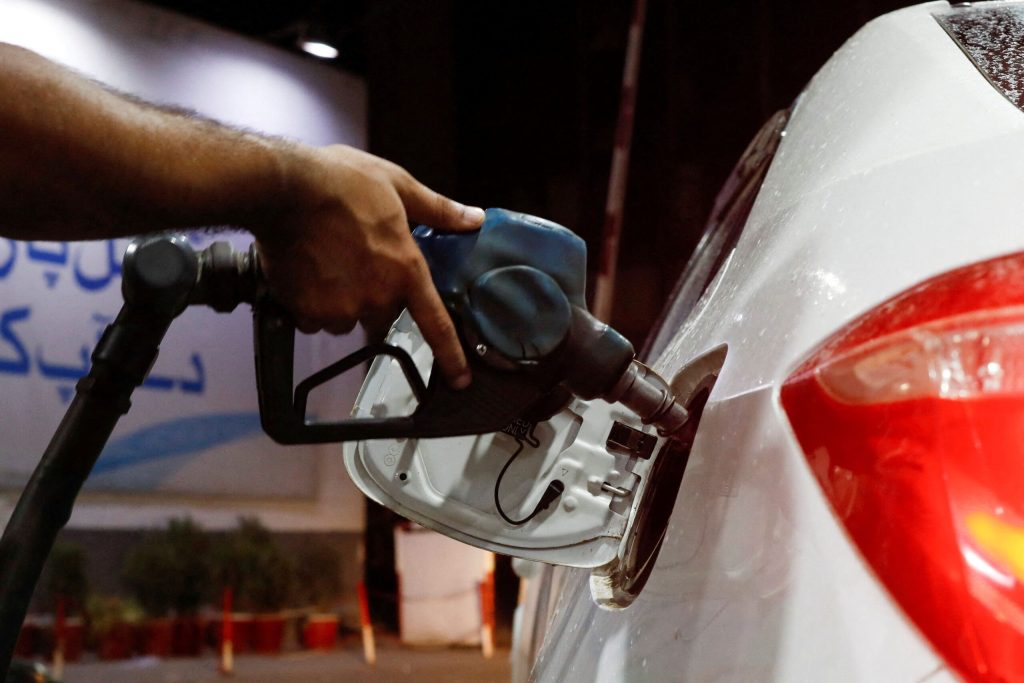
**Government Unveils 3-Pronged Approach to Avert Fuel Shortages in Pakistan**
In light of the persistent fuel shortages that have affected Pakistan in recent times, the government has revealed a thorough 3-pronged approach aimed at guaranteeing a consistent and seamless fuel supply throughout the nation. This strategic initiative is designed to tackle the root causes contributing to fuel shortages and to bolster the overall energy security of the country.
**1. Infrastructure Advancement and Upgrading**
The initial prong of the approach concentrates on the advancement and upgrading of the nation’s fuel infrastructure. Acknowledging the essential role that infrastructure plays in the effective distribution of fuel, the government has pledged to invest in the expansion and enhancement of refineries, storage facilities, and transportation systems. This encompasses the establishment of new pipelines and the improvement of existing ones to facilitate the flow of fuel from refineries to distribution centers. Additionally, the government intends to boost the capacity of storage facilities to accommodate larger reserves, which will serve as a safeguard against possible supply interruptions.
**2. Energy Source Diversification**
The second prong focuses on diversifying the nation’s energy sources to lessen dependence on imported fuels. The government seeks to elevate the share of renewable energy in the national energy portfolio by investing in solar, wind, and hydropower initiatives. This diversification strategy aims not only to mitigate the effects of global oil price volatility but also to align with Pakistan’s commitment to curbing carbon emissions and fostering sustainable energy practices. Moreover, the government is investigating collaborations with neighboring countries to secure alternative fuel supplies and promote regional energy cooperation.
**3. Regulatory Reforms and Policy Initiatives**
The third prong of the approach underscores regulatory reforms and the implementation of policy initiatives to guarantee effective fuel management. The government aims to simplify the regulatory framework governing the oil and gas sector to attract foreign investment and stimulate private sector involvement. This entails adjusting pricing mechanisms to mirror market conditions and incentivizing the adoption of energy-efficient technologies. In addition, the government plans to enhance oversight and monitoring of fuel distribution to deter hoarding and black market activities that lead to artificial shortages.
**Conclusion**
The government’s 3-pronged approach signifies a proactive stance toward addressing the issue of fuel shortages in Pakistan. By concentrating on infrastructure advancement, energy diversification, and regulatory reforms, the government aspires to establish a robust and sustainable energy sector that can fulfill the requirements of the country’s expanding population and economy. The successful execution of this approach will necessitate collaboration among government agencies, private sector participants, and international allies. If implemented effectively, this plan has the potential to revolutionize Pakistan’s energy landscape and guarantee a stable fuel supply for the future.