**Petrol Pump Strike Creates Confusion Among Drivers Due to Divided Dealers in Pakistan**
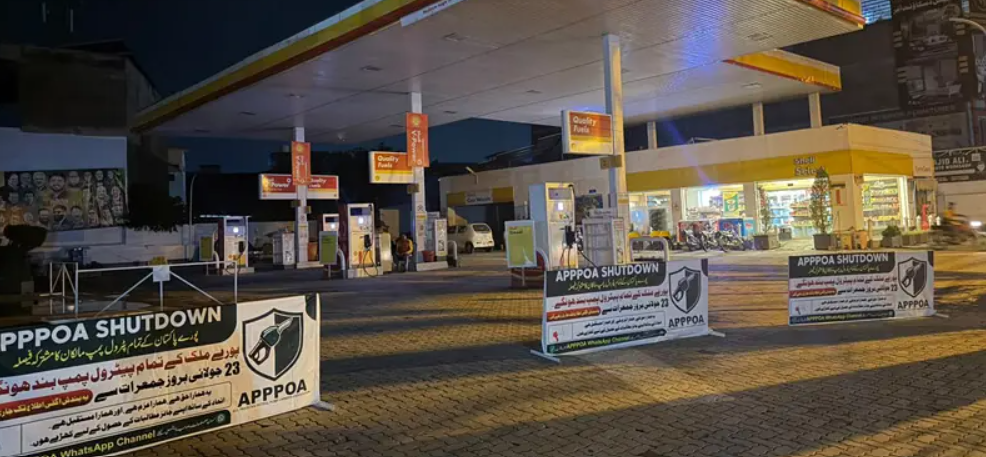
In recent weeks, Pakistan has experienced a notable disruption in its fuel supply network, resulting in widespread confusion and frustration among drivers. The turmoil originates from a strike launched by petrol pump dealers, who are split over demands for higher profit margins. This division has led to erratic service availability throughout the country, leaving motorists in doubt about where they can refuel their vehicles.
**Background of the Strike**
The strike was initiated by a group of petrol pump dealers who contend that the existing profit margins are untenable due to escalating operational costs. These dealers are requesting an increase in their commission from the government, citing inflation and rising expenses as key factors. However, not all dealers share this view, resulting in a divide within the association that represents them.
**Impact on Drivers**
The strike has considerably affected daily commuters and long-distance travelers alike. Many drivers have reported extensive lines at the few functioning petrol stations, while others have found themselves stranded due to the abrupt lack of fuel. The inconsistency in service has led to notable delays and disruptions, especially in urban regions where fuel demand is elevated.
**Government Response**
In reaction to the strike, government officials have entered discussions with the dealers’ association to seek a solution. The government has shown a willingness to consider the dealers’ requests but has also stressed the importance of a balanced approach that does not unfairly impact consumers. Meanwhile, authorities have urged the public to exercise patience and have assured that efforts are being made to restore normalcy.
**Divided Dealers**
The division among petrol pump dealers has further complicated the scenario. While some dealers have opted to continue their operations, others have closed their pumps in support of the strike. This lack of agreement has hindered the government’s ability to handle the matter uniformly and has contributed to the confusion faced by drivers.
**Public Reaction**
The public response to the strike has been characterized by frustration and concern. Social media platforms are filled with complaints from drivers struggling to locate fuel. Many have voiced criticism towards both the dealers and the government for their failure to prevent the escalation of the situation. There is an increasing demand for a rapid resolution to prevent further inconvenience.
**Conclusion**
The petrol pump strike in Pakistan underscores the challenges encountered by the fuel supply sector and the necessity for effective communication and negotiation among stakeholders. As the situation develops, drivers are left to navigate the uncertainty brought about by divided dealers and disrupted services. It remains uncertain how swiftly a resolution can be achieved to restore stability and confidence in the fuel supply chain.