
**Assessing the Feasibility of Acquiring a New Car in Pakistan**
Acquiring a new car is a major choice that necessitates thorough contemplation of various elements, particularly in a developing nation like Pakistan. The feasibility of purchasing a new car in Pakistan can be assessed by looking into several fundamental factors, including economic circumstances, market dynamics, financing alternatives, and individual requirements.
**Economic Circumstances and Market Dynamics**
The economic environment of Pakistan significantly influences the feasibility of buying a new car. With inconsistent inflation rates, currency devaluation, and fluctuating government regulations, the price of new vehicles can be unpredictable. The automotive sector in Pakistan has experienced expansion recently, with a growing number of local and international producers entering the marketplace. Nevertheless, economic uncertainty can result in price increases, making it vital for prospective buyers to remain updated on market dynamics and economic projections.
**Expense Factors**
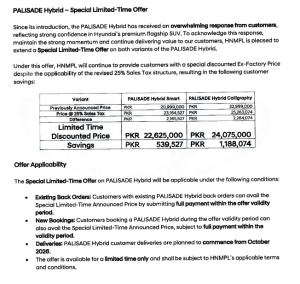
The expense of a new car in Pakistan comprises not just the purchase cost but also taxes, registration fees, and insurance. The government levies various duties and taxes on imported vehicles, which can dramatically raise the total expense. Locally assembled cars could be more budget-friendly due to lower taxes, but they might be devoid of certain attributes found in imported models. Moreover, the resale value of a new car must be taken into account, as depreciation can influence long-term financial strategies.
**Financing Alternatives**
Financing a new car acquisition is a prevalent practice in Pakistan, with banks and financial establishments providing multiple auto loan programs. These loans typically demand a down payment, with the residual amount paid in installments over a determined timeframe. Interest rates, loan duration, and qualification criteria differ among lenders, making it essential for buyers to compare options and select a plan that corresponds with their financial circumstances. Grasping the total financing cost, including interest and any additional charges, is critical for assessing the feasibility of a new car acquisition.
**Fuel Economy and Maintenance**
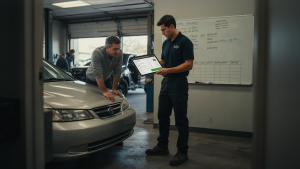
Fuel efficiency is a vital element in the practicality of owning a new vehicle in Pakistan, where fuel costs can be erratic. Choosing a car with good fuel efficiency can result in considerable savings over time. Additionally, the availability of spare parts and the expenses related to maintenance should be evaluated. Vehicles from well-established brands with a strong presence in Pakistan typically offer superior after-sales services and better access to spare parts, which can lower maintenance expenses and reduce downtime.
**Individual Needs and Lifestyle**
Evaluating personal needs and lifestyle is vital when contemplating a new car purchase. Elements such as family size, daily commuting distance, and planned use of the vehicle should influence the decision-making process. For example, a compact vehicle may be ideal for urban driving, while a larger car may be necessary for a family or frequent long journeys. Moreover, characteristics like safety, comfort, and technology should match the buyer’s preferences and necessities.
**Environmental Factors**
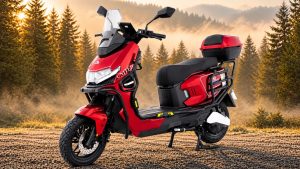
With increasing awareness of environmental concerns, the environmental impact of a new vehicle is a significant consideration. Hybrid and electric cars are gaining traction in Pakistan, presenting a more sustainable option compared to traditional petrol or diesel vehicles. Although the initial price of these cars may be higher, potential savings on fuel and a diminished environmental footprint can render them a practical choice for eco-conscious consumers.
**Final Thoughts**
Assessing the feasibility of acquiring a new car in Pakistan necessitates a thorough evaluation of economic circumstances, expense factors, financing alternatives, and individual needs. By diligently analyzing these components, prospective buyers can reach informed decisions that correspond with their financial situations and lifestyles. Remaining updated on market dynamics and governmental regulations, as well as considering long-term aspects like fuel efficiency and environmental impact, can facilitate ensuring that the purchase of a new vehicle is a feasible and advantageous investment.