**Advice for Drivers Amidst Lahore Flooding**
Lahore, a vibrant city in Pakistan, frequently faces the difficulties brought on by seasonal monsoon downpours. These downpours can often result in flooding, creating risky situations for motorists. Maneuvering through Lahore’s streets during floods necessitates vigilance, planning, and awareness. Below is a detailed guide for drivers to maintain safety in such circumstances.
**1. Stay Updated:**
Before venturing out, monitor local news and weather forecasts. Social media sites and regional news platforms frequently offer real-time updates on flooded regions and road closures. Being aware of which zones to steer clear of can save time and help avoid getting stuck.
**2. Organize Your Route:**
If travel is essential, carefully organize your route. Choose main roads and expressways that are less vulnerable to flooding. Steer clear of low-lying areas, underpasses, and roads adjacent to rivers or canals, as these are susceptible to significant flooding.
**3. Vehicle Readiness:**
Verify that your vehicle is in proper functioning order. Inspect the brakes, tires, and battery. Keep the fuel tank at a minimum of half full, as traffic delays and detours can prolong travel time. Equip your vehicle with an emergency kit that includes a flashlight, first-aid items, water, and non-perishable food.
**4. Drive Carefully:**
While driving through water, move slowly and steadily. Avoid abrupt acceleration or braking, as this can lead to loss of traction. Maintain a safe distance from other vehicles since stopping distances are extended on wet roads.
**5. Avoid Deep Water:**
Refrain from driving through water if you are unsure of its depth. Merely six inches of water can result in loss of control, while a foot of water can buoy many vehicles. If the water reaches above the middle of your wheels, it’s advisable to turn back and seek an alternative route.
**6. Utilize Headlights:**
Keep your headlights on low beam to enhance visibility and assist other drivers in seeing you. Refrain from using high beams, as they can bounce off the water and diminish visibility.
**7. Remain Composed if Stuck:**
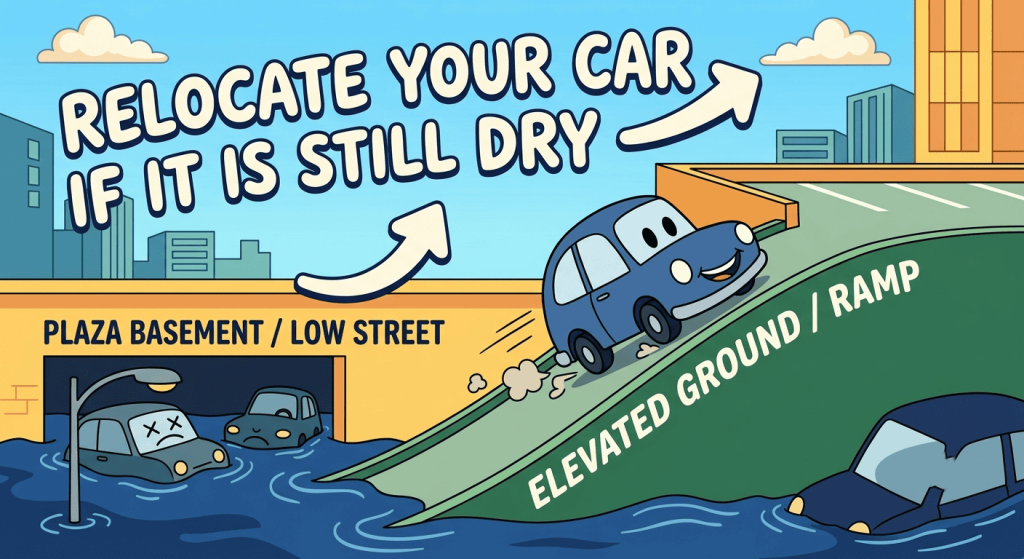
If your vehicle stalls in water, do not try to restart it, as this may lead to engine damage. Exit the vehicle if it’s safe to do so and move to higher ground. Call for help and wait for assistance.
**8. Be Aware of Hydroplaning:**
Hydroplaning happens when a thin layer of water forms between the tires and the road, causing loss of traction. If you sense your vehicle hydroplaning, gently release the accelerator, avoid abrupt steering, and guide your vehicle in the desired direction.
**9. Consider Public Transport:**
If feasible, think about using public transportation during floods. Buses and trains are typically better suited for flooded circumstances and can lessen the number of vehicles on the road, alleviating traffic.
**10. Post-Flood Vehicle Inspection:**
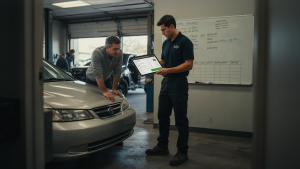
After traversing floodwaters, have your vehicle inspected by a professional. Water can harm various components, including brakes, transmission, and electrical systems.
By adhering to these recommendations, drivers in Lahore can tackle the challenges presented by floods with greater safety and efficiency. Emphasizing safety and readiness can greatly diminish the risks linked to driving in adverse weather conditions.