August 5, 2026
Auto Sector Seeks Prime Minister's Help Regarding Suggested CBU Tax Cuts
**Auto Sector Requests Prime Minister's Engagement on Suggested CBU Tariff Cuts**The auto sector is currently rife with conversations regarding the suggested cuts in tariffs on Completely Built Units (CBUs). Industry executives are urging the Prime Minister to engage, pointing to potential consequences for local manufacturing and the overall economic environment.**Overview of CBU Tariffs**CBUs signify fully assembled vehicles brought into a nation. Tariffs on these imports are normally imposed to safeguard domestic manufacturers from foreign competition, fostering local production and investment. However, such tariffs can also result in higher costs for consumers, restricting access to a broader variety of vehicles.**Suggested Tariff Cuts**Recently, the government has proposed a cut in CBU tariffs, with the intention of making imported vehicles more accessible and expanding consumer options. This initiative is part of a wider strategy to conform to international trade agreements and promote a more competitive market landscape.**Industry Fears**Local producers and industry organizations have voiced considerable apprehensions regarding the proposed tariff cuts. They contend that reducing tariffs could jeopardize domestic production by rendering imported vehicles more enticing due to lower prices. This situation could consequently result in diminished investments in local manufacturing plants, job reductions, and adverse effects on the supply chain.**Economic Consequences**The potential economic consequences of decreasing CBU tariffs are complex. On one side, consumers may gain from a broader assortment of vehicles at competitive rates. Conversely, the domestic auto industry could struggle to preserve its market share and profitability, which might lead to negative ramifications for employment and economic development.**Request for Prime Minister's Engagement**In light of these worries, industry leaders are imploring the Prime Minister to engage and reassess the suggested tariff cuts. They are promoting a balanced strategy that evaluates the interests of both consumers and local manufacturers. This could encompass gradual tariff reductions, incentives for domestic production, or initiatives to bolster the competitiveness of local manufacturers.**Wrap-Up**The discussion surrounding CBU tariff cuts underscores the intricate interaction between trade policies, consumer needs, and local industry protection. As the government contemplates its choices, the auto sector remains optimistic for a resolution that promotes sustainable growth and competitiveness. The Prime Minister's engagement could be crucial in determining the future of the auto sector and ensuring that policy decisions correspond with the larger economic objectives of the country.


**Auto Sector Requests Prime Minister’s Engagement on Suggested CBU Tariff Cuts**

The auto sector is currently rife with conversations regarding the suggested cuts in tariffs on Completely Built Units (CBUs). Industry executives are urging the Prime Minister to engage, pointing to potential consequences for local manufacturing and the overall economic environment.

**Overview of CBU Tariffs**

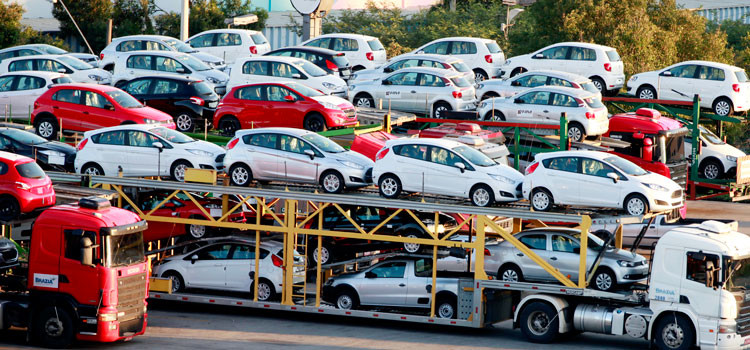
CBUs signify fully assembled vehicles brought into a nation. Tariffs on these imports are normally imposed to safeguard domestic manufacturers from foreign competition, fostering local production and investment. However, such tariffs can also result in higher costs for consumers, restricting access to a broader variety of vehicles.

**Suggested Tariff Cuts**

Recently, the government has proposed a cut in CBU tariffs, with the intention of making imported vehicles more accessible and expanding consumer options. This initiative is part of a wider strategy to conform to international trade agreements and promote a more competitive market landscape.

**Industry Fears**

Local producers and industry organizations have voiced considerable apprehensions regarding the proposed tariff cuts. They contend that reducing tariffs could jeopardize domestic production by rendering imported vehicles more enticing due to lower prices. This situation could consequently result in diminished investments in local manufacturing plants, job reductions, and adverse effects on the supply chain.

**Economic Consequences**

The potential economic consequences of decreasing CBU tariffs are complex. On one side, consumers may gain from a broader assortment of vehicles at competitive rates. Conversely, the domestic auto industry could struggle to preserve its market share and profitability, which might lead to negative ramifications for employment and economic development.

**Request for Prime Minister’s Engagement**

In light of these worries, industry leaders are imploring the Prime Minister to engage and reassess the suggested tariff cuts. They are promoting a balanced strategy that evaluates the interests of both consumers and local manufacturers. This could encompass gradual tariff reductions, incentives for domestic production, or initiatives to bolster the competitiveness of local manufacturers.

**Wrap-Up**

The discussion surrounding CBU tariff cuts underscores the intricate interaction between trade policies, consumer needs, and local industry protection. As the government contemplates its choices, the auto sector remains optimistic for a resolution that promotes sustainable growth and competitiveness. The Prime Minister’s engagement could be crucial in determining the future of the auto sector and ensuring that policy decisions correspond with the larger economic objectives of the country.