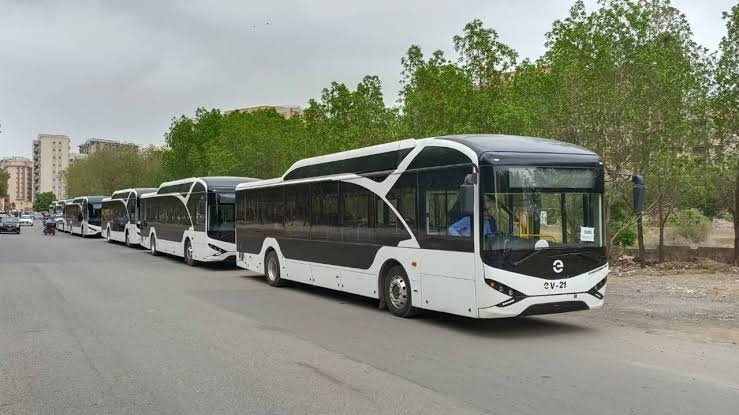
**Sindh to Launch EV Taxis, 50 Double-Deckers, and 1,000 Electric Buses by Year-End**
In a pivotal step towards sustainable city transportation, the Sindh government has unveiled an ambitious agenda to integrate electric vehicles (EVs) into its public transport system by year’s end. This initiative forms part of a broader plan to upgrade the transport infrastructure, lower carbon emissions, and meet the increasing demand for effective public transit solutions in the province.
**Launch of EV Taxis**
The strategy encompasses the introduction of electric taxis, set to serve as a cleaner and more eco-friendly substitute for traditional fuel-powered cabs. These EV taxis are projected to significantly decrease the carbon footprint, as they produce zero tailpipe emissions. The rollout of these taxis is also expected to lessen dependence on fossil fuels, thereby aiding the province’s sustainability objectives.
**Deployment of 50 Double-Deckers**
Alongside EV taxis, the Sindh government plans to introduce 50 double-decker buses. These buses are engineered to hold a greater number of passengers, alleviating congestion on crowded routes. The double-decker buses will not only improve the public transport system’s capacity but also provide a more comfortable and efficient travel experience for riders. These buses are anticipated to feature modern amenities, ensuring a high quality of service.
**1,000 Electric Buses on the Roads**
The most ambitious facet of the plan is the launch of 1,000 electric buses. This extensive deployment aims to transform the public transport network by supplying a cleaner, quieter, and more effective mode of transportation. Electric buses are recognized for their lower operational expenses and diminished environmental impact compared to traditional diesel buses. The incorporation of these buses into the public transport system is expected to notably reduce air pollution and enhance urban air quality.
**Economic and Environmental Ramifications**
The transition to electric vehicles is expected to yield a favorable economic impact by generating new employment opportunities in the manufacturing, maintenance, and operation of these vehicles. Furthermore, the decrease in fuel consumption will result in significant savings in foreign exchange, as the nation will lean less on imported fuels.
From an environmental standpoint, the rollout of electric vehicles is a vital measure in addressing climate change and curbing greenhouse gas emissions. By shifting to electric public transport, Sindh is aligning with global efforts to support sustainable urban development and enhance the quality of life for its citizens.
**Challenges and Future Outlook**
Although the initiative is praiseworthy, it brings its own challenges. The effective execution of this plan will necessitate considerable investment in charging infrastructure, training for drivers and maintenance personnel, and public awareness campaigns to foster the acceptance of electric vehicles.
Looking forward, the Sindh government’s dedication to electrifying its public transport system establishes a benchmark for other provinces and regions to emulate. If achieved, this initiative could become a blueprint for sustainable urban transport solutions throughout the nation and beyond.
In summary, the launch of EV taxis, double-decker buses, and electric buses in Sindh signifies a progressive approach to urban transportation. By adopting electric mobility, Sindh is making a vital stride towards a greener and more sustainable future.