**Comparison of Kia Sportage L Facelift and Hyundai Tucson Hybrid: Assessing the Superior Choice**
The compact SUV market is intensely competitive, with car manufacturers continuously advancing to attract consumer attention. Two prominent options in this segment are the Kia Sportage L Facelift and the Hyundai Tucson Hybrid. Both vehicles showcase distinctive characteristics, performance capabilities, and technological innovations. This article contrasts these models to assist prospective buyers in identifying which one may be the superior choice for their preferences.
**Design and Aesthetics**
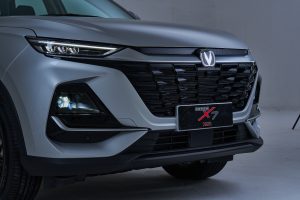
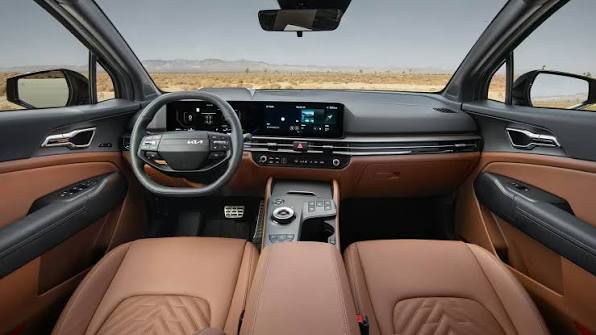
The Kia Sportage L Facelift features an updated exterior design that highlights a sporty and contemporary aesthetic. Its hallmark “tiger-nose” grille, streamlined LED headlights, and defined body lines create a vibrant presence on the street. The interior is just as remarkable, boasting premium materials and an easy-to-navigate layout.
In comparison, the Hyundai Tucson Hybrid exhibits a striking and avant-garde design. Its cascading grille, pronounced LED lighting, and angular profile distinguish it within the compact SUV arena. Inside, the Tucson Hybrid provides a roomy interior with a minimalist approach, emphasizing comfort and technological integration.
**Performance and Efficiency**
Beneath the hood, the Kia Sportage L Facelift presents a variety of engine choices, including a 2.5-liter four-cylinder engine that delivers ample power for everyday use. It is combined with an 8-speed automatic transmission, facilitating seamless gear transitions. The Sportage is recognized for its balanced ride comfort and agile handling.
Conversely, the Hyundai Tucson Hybrid merges a 1.6-liter turbocharged engine with an electric motor, producing a combined output of approximately 226 horsepower. This hybrid system not only offers swift acceleration but also boosts fuel efficiency, making it a compelling choice for environmentally conscious drivers. Additionally, the Tucson Hybrid’s regenerative braking technology enhances its efficiency further.
**Technology and Features**
Both the Kia Sportage L Facelift and Hyundai Tucson Hybrid are outfitted with a variety of contemporary technology features. The Sportage includes an intuitive infotainment system with a large display, Apple CarPlay, Android Auto, and a high-quality audio system. Advanced safety technologies such as adaptive cruise control, lane-keeping assistance, and blind-spot monitoring are also featured.
The Hyundai Tucson Hybrid matches these functionalities with its own array of technology, including a high-definition touchscreen, smartphone connectivity, and a digital gauge cluster. It also incorporates Hyundai’s SmartSense safety suite, which consists of forward collision avoidance assistance, lane-following support, and a surround-view camera.
**Comfort and Practicality**
Regarding interior dimensions, the Hyundai Tucson Hybrid holds a slight advantage, offering greater rear-seat legroom and cargo space in comparison to the Kia Sportage L Facelift. This makes the Tucson Hybrid a preferable option for families or individuals who frequently transport passengers and luggage.
Nonetheless, the Sportage L Facelift moderates this with its cozy seating and well-quieted cabin, delivering a serene and enjoyable driving experience. Both models present adjustable seating arrangements to cater to diverse cargo requirements.
**Price and Value**
Cost is a vital consideration for many buyers. The Kia Sportage L Facelift typically comes at a lower starting price relative to the Hyundai Tucson Hybrid, making it a desirable option for cost-conscious shoppers. However, the Tucson Hybrid’s elevated price is justified by its advanced hybrid technology and enhanced fuel efficiency, which could result in long-term savings on fuel expenditures.
**Conclusion**
The decision between the Kia Sportage L Facelift and the Hyundai Tucson Hybrid ultimately hinges on individual tastes and priorities. The Sportage L Facelift is an excellent choice for those in search of a stylish, well-appointed SUV at an attractive price point. In contrast, the Tucson Hybrid caters to buyers who prioritize fuel economy, state-of-the-art technology, and a roomy interior.
Both models possess their advantages, and potential buyers should assess their unique needs, such as driving preferences, environmental considerations, and budget, to reach an informed conclusion.