
August 6, 2026
Islamabad to Introduce Two Additional Underpasses to Ease Traffic Congestion
Islamabad, the capital of Pakistan, is making notable advancements to tackle its escalating traffic congestion problems by initiating the development of two additional underpasses. These infrastructure ventures are part of a larger effort to improve the city’s transportation framework and enhance traffic flow, especially during peak periods.The choice to construct these underpasses is a response to the rising number of vehicles on Islamabad's roadways, which has resulted in frequent traffic bottlenecks and extended travel times for its inhabitants. The city's government, in partnership with the Capital Development Authority (CDA), has pinpointed crucial sites where these underpasses will significantly alleviate congestion.The envisioned underpasses are meticulously planned to be erected at two of the city's most heavily trafficked intersections. The first underpass will be established at the junction of Jinnah Avenue and Faisal Avenue, a pivotal crossroads that links several key sectors of the city. This spot is infamous for its substantial traffic, particularly during peak travel times, as it acts as a main route for commuters heading to and from the central business area.The second underpass is slated for the crossroads of 9th Avenue and Kashmir Highway. This region is another primary traffic choke point, acting as a portal for vehicles entering and exiting the city. By constructing an underpass in this location, the city intends to facilitate vehicle movement and lessen the time spent in traffic.The underpasses will be built to accommodate a significant volume of traffic, featuring multiple lanes in both directions to guarantee fluid transit. Furthermore, the initiatives will utilize contemporary engineering methods to minimize disruption throughout the construction phase and ensure the safety of both workers and commuters.The development of these underpasses is anticipated to provide numerous advantages to Islamabad. Firstly, it will markedly shorten commuting times for travelers, rendering daily journeys more effective and less anxiety-inducing. Secondly, it will mitigate the environmental consequences of traffic congestion since vehicles will spend less time idling, resulting in reduced emissions.Additionally, the underpasses will improve the overall connectivity of the city's road system, simplifying navigation for both residents and visitors in Islamabad. This enhanced accessibility is expected to yield beneficial economic impacts, as it will ease the transport of goods and services and draw more businesses to the region.The Islamabad administration is dedicated to ensuring that the construction of these underpasses is finalized promptly, with minimal disruption to the public. Currently, the projects are in the planning and design stage, with construction anticipated to start in the upcoming months.In summary, the development of two new underpasses in Islamabad signifies a proactive strategy to address the city’s traffic congestion issues. By investing in enhancements to infrastructure, the city seeks to improve the living standards for its residents and promote its ongoing growth and development.


Islamabad, the capital of Pakistan, is making notable advancements to tackle its escalating traffic congestion problems by initiating the development of two additional underpasses. These infrastructure ventures are part of a larger effort to improve the city’s transportation framework and enhance traffic flow, especially during peak periods.

The choice to construct these underpasses is a response to the rising number of vehicles on Islamabad’s roadways, which has resulted in frequent traffic bottlenecks and extended travel times for its inhabitants. The city’s government, in partnership with the Capital Development Authority (CDA), has pinpointed crucial sites where these underpasses will significantly alleviate congestion.

The envisioned underpasses are meticulously planned to be erected at two of the city’s most heavily trafficked intersections. The first underpass will be established at the junction of Jinnah Avenue and Faisal Avenue, a pivotal crossroads that links several key sectors of the city. This spot is infamous for its substantial traffic, particularly during peak travel times, as it acts as a main route for commuters heading to and from the central business area.

The second underpass is slated for the crossroads of 9th Avenue and Kashmir Highway. This region is another primary traffic choke point, acting as a portal for vehicles entering and exiting the city. By constructing an underpass in this location, the city intends to facilitate vehicle movement and lessen the time spent in traffic.

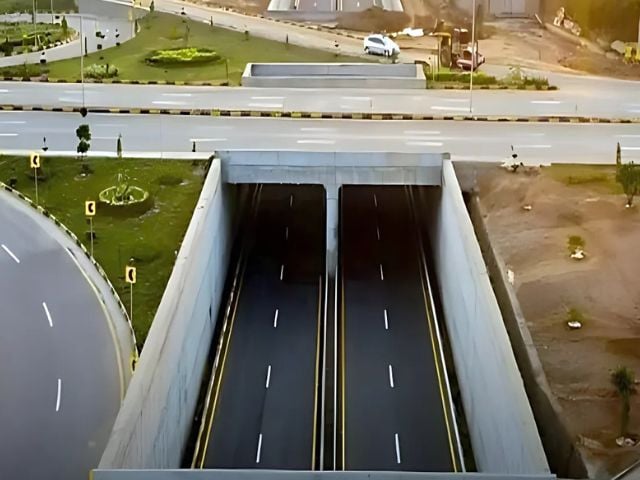
The underpasses will be built to accommodate a significant volume of traffic, featuring multiple lanes in both directions to guarantee fluid transit. Furthermore, the initiatives will utilize contemporary engineering methods to minimize disruption throughout the construction phase and ensure the safety of both workers and commuters.

The development of these underpasses is anticipated to provide numerous advantages to Islamabad. Firstly, it will markedly shorten commuting times for travelers, rendering daily journeys more effective and less anxiety-inducing. Secondly, it will mitigate the environmental consequences of traffic congestion since vehicles will spend less time idling, resulting in reduced emissions.

Additionally, the underpasses will improve the overall connectivity of the city’s road system, simplifying navigation for both residents and visitors in Islamabad. This enhanced accessibility is expected to yield beneficial economic impacts, as it will ease the transport of goods and services and draw more businesses to the region.

The Islamabad administration is dedicated to ensuring that the construction of these underpasses is finalized promptly, with minimal disruption to the public. Currently, the projects are in the planning and design stage, with construction anticipated to start in the upcoming months.

In summary, the development of two new underpasses in Islamabad signifies a proactive strategy to address the city’s traffic congestion issues. By investing in enhancements to infrastructure, the city seeks to improve the living standards for its residents and promote its ongoing growth and development.