**Decreased Import Duties Endanger Pakistan’s Automobile Sector**
The automobile sector in Pakistan, a crucial element of the nation’s manufacturing industry, is encountering considerable obstacles due to recent modifications in import duty policies. The administration’s choice to lower import duties on cars and automotive components has raised alarms among domestic producers, who are concerned that this action might jeopardize the local automobile sector.
**Context**
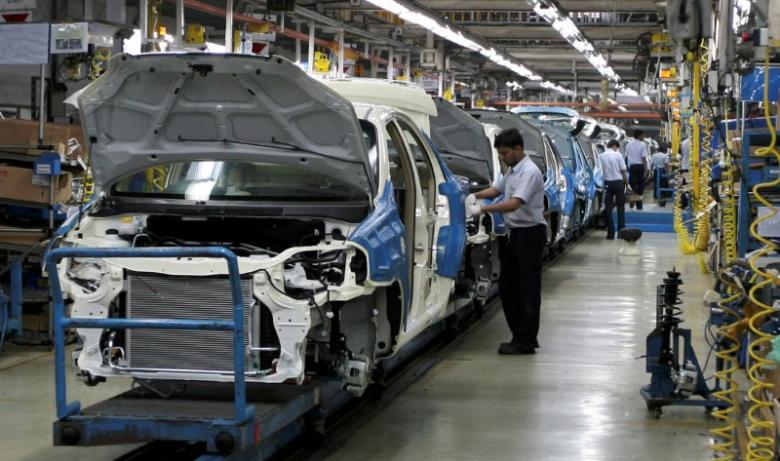
Historically, Pakistan’s automobile sector has been safeguarded by elevated import duties, aimed at promoting local production and assembly. These tariffs rendered imported cars significantly pricier, thus granting a competitive advantage to domestic manufacturers. The sector has been a substantial contributor to the national economy, generating employment for many and aiding the country’s GDP.
**Consequences of Decreased Import Duties**
1. **Heightened Competition**: The decrease in import duties is expected to result in an influx of imported cars, which may provide increased variety and advanced features at competitive rates. This heightened competition poses a risk to domestic manufacturers who may find it challenging to keep up with the quality and pricing of imported vehicles.
2. **Strain on Domestic Manufacturers**: Local automobile producers might encounter financial pressure as they strive to compete with imported cars. Production costs in Pakistan are comparatively high due to factors such as energy prices, labor, and raw materials. With reduced import duties, the price disparity between locally made and imported vehicles is predicted to close, increasing pressure on local firms to lower costs and enhance efficiency.
3. **Risk of Job Reductions**: The automobile sector is a key employment provider in Pakistan. Should local manufacturers fail to compete with imported vehicles, it could result in downsizing and job cuts. This would create a ripple effect throughout the economy, impacting not just those directly working in the sector but also others in related fields.
4. **Influence on Investment**: The uncertainty brought about by lowered import duties may discourage future investments in the domestic automobile sector. Investors might hesitate to pour money into an industry that seems to be losing its competitive advantage due to regulatory changes. This could impede the sector’s growth and evolution in the long run.
**Prospects and Obstacles**
Although the decrease in import duties brings challenges, it simultaneously offers opportunities for the local sector to innovate and enhance. Domestic producers could concentrate on improving the quality of their offerings, embracing new technologies, and optimizing operations to maintain competitiveness. Furthermore, the government could play an essential role by offering support and incentives to assist the sector in transitioning and adapting to the new market circumstances.
**Final Thoughts**
The reduction in import duties serves as a double-edged sword for Pakistan’s automobile sector. While it threatens existing market dynamics and presents challenges for local producers, it also fosters competitiveness and innovation. The industry’s future will greatly rely on how effectively local manufacturers adjust to these shifts and the assistance they garner from the government to navigate this change. It is vital for policymakers to find a balance between liberalizing the market and safeguarding the interests of domestic manufacturers to ensure the sustainable advancement of Pakistan’s automobile sector.