**In-Depth Comparison of Omoda 7 PHEV and MG HS Super Hybrid**
As the automotive sector increasingly embraces more eco-friendly alternatives, plug-in hybrid electric vehicles (PHEVs) have seen substantial appeal. Notable players in this category include the Omoda 7 PHEV and the MG HS Super Hybrid. Both models merge traditional combustion engines with electric capabilities, offering drivers efficient and adaptable travel choices. This article delivers an in-depth comparison of these two models, highlighting their design, performance, technology, and overall value.
**Design and Appearance**
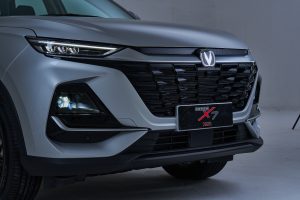
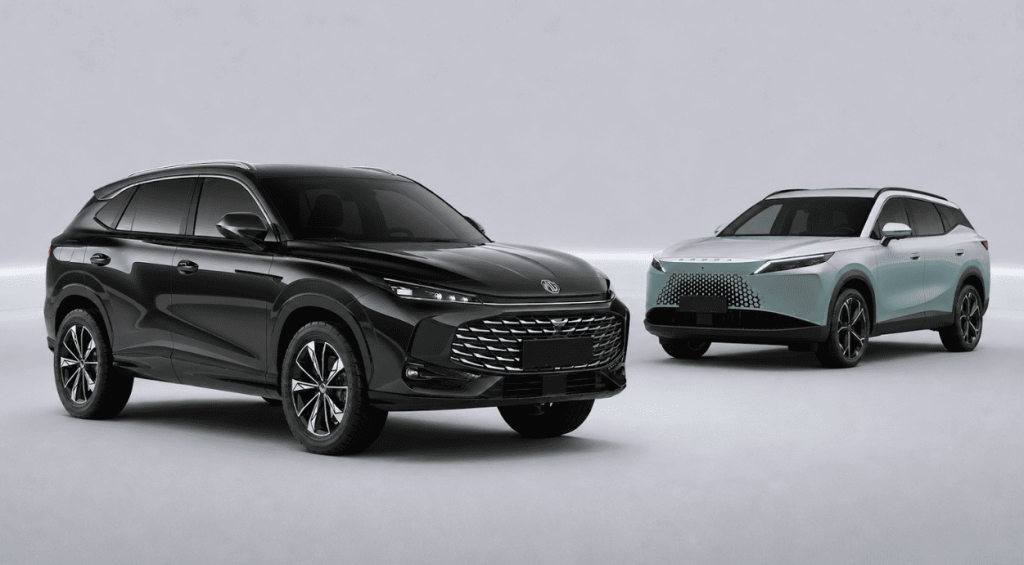
The Omoda 7 PHEV showcases a contemporary and stylish design, defined by its aerodynamic contours and modern aesthetic elements. The front end is striking, featuring a unique grille and LED headlights that boost its visibility on the road. The cabin is equally remarkable, providing a roomy interior filled with premium materials and an intuitive layout.
On the other hand, the MG HS Super Hybrid embraces a more classic SUV design, characterized by its strong and assertive posture. Its exterior includes a prominent grille and sporty details, while the interior prioritizes comfort and functionality. The MG HS provides ample room for passengers and cargo, making it an excellent choice for families.
**Performance and Fuel Efficiency**
Beneath the hood, the Omoda 7 PHEV houses a hybrid powertrain that integrates a turbocharged petrol engine with an electric motor. This combination offers well-rounded performance with a focus on fuel efficiency. The electric motor delivers immediate torque, improving acceleration and lowering fuel use during urban driving.
Similarly, the MG HS Super Hybrid is equipped with a hybrid system, combining a petrol engine and an electric motor. It promises a seamless driving experience, delivering power when required while maintaining efficiency. Both vehicles permit driving in electric-only mode for short distances, aiding in emissions reduction and fuel savings.
**Technology and Amenities**
The Omoda 7 PHEV comes loaded with cutting-edge technology, including a digital instrument cluster, an expansive infotainment touchscreen, and a variety of driver-assistance features. Connectivity options such as Apple CarPlay and Android Auto are included, ensuring smooth synchronization with smartphones.
In the same vein, the MG HS Super Hybrid provides a thorough tech suite, showcasing a high-definition infotainment system, digital screens, and numerous safety features. Both models emphasize the safety of drivers and passengers, incorporating systems like adaptive cruise control, lane-keeping assist, and automatic emergency braking.
**Price and Value**
Regarding pricing, the Omoda 7 PHEV is competitively positioned within the PHEV arena, offering a commendable mix of features and performance relative to its cost. It attracts consumers seeking a trendy and efficient vehicle without excessive expenses.
Conversely, the MG HS Super Hybrid comes at a marginally higher price point but justifies this with its spacious interior and extensive feature lineup. It caters to buyers who value comfort and practicality along with the advantages of hybrid technology.
**Final Thoughts**
Both the Omoda 7 PHEV and the MG HS Super Hybrid present attractive options for those considering plug-in hybrid vehicles. The decision between the two largely rests on personal preferences and priorities. The Omoda 7 PHEV shines with its contemporary design and tech-savvy features, while the MG HS Super Hybrid resonates with those looking for a more conventional SUV experience coupled with enhanced efficiency. Ultimately, both models play a role in fostering a more sustainable future, offering consumers the flexibility and advantages of hybrid technology.