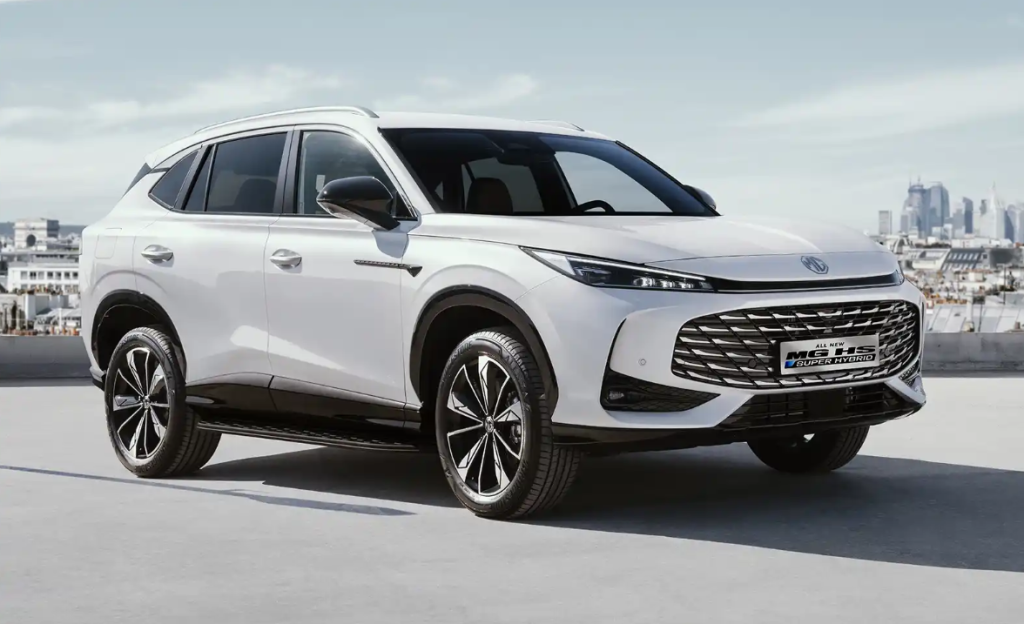
**Pakistan to Start Exporting 5,000 Local Assembled MG Cars to Bangladesh**
In a key advancement for the automotive sector in South Asia, Pakistan is poised to commence the export of 5,000 locally produced MG vehicles to Bangladesh. This initiative signifies a major achievement in Pakistan’s automotive industry, highlighting its enhancing skills in vehicle assembly and export capacity. The endeavor aims to bolster economic connections between the two nations and elevate Pakistan’s standing in the regional automotive marketplace.
**Background and Context**
The automotive sector in Pakistan has been witnessing consistent growth, with numerous international brands setting up assembly facilities in the nation. MG Motors, a British automotive brand currently under the ownership of the Chinese automotive powerhouse SAIC Motor Corporation, has emerged as one of the key contributors in Pakistan’s automotive domain. The firm has been manufacturing vehicles domestically, catering to the increasing demand for modern and budget-friendly cars in the area.
**The Export Initiative**
The choice to export MG vehicles to Bangladesh is part of a wider strategy to enhance Pakistan’s automotive export framework. The first shipment of 5,000 units will feature popular models that have gained positive reception in Pakistan. These automobiles are anticipated to fulfil the rising demand for quality vehicles in Bangladesh, a market that has been seeing growth in consumer buying power and a trend towards dependable transportation solutions.
**Economic and Bilateral Implications**
The shipment of MG cars to Bangladesh is set to generate several economic advantages for Pakistan. It will not only enhance the nation’s export revenues but also generate job opportunities within the automotive industry. This initiative is likely to stimulate additional investment in local assembly facilities, augmenting technological capabilities and enhancing workforce competencies.
For Bangladesh, the importation of MG vehicles provides a chance to diversify its automotive market with competitively priced, high-quality options. This step aligns with Bangladesh’s goals of modernizing its transport infrastructure and decreasing its dependence on used car imports.
**Challenges and Opportunities**
While the export of MG vehicles brings a wealth of possibilities, there are challenges that must be navigated. Compliance with Bangladesh’s import guidelines and upholding quality standards will be vital for the success of this initiative. Furthermore, establishing a strong after-sales service network in Bangladesh is critical to cultivate consumer confidence and loyalty.
**Future Prospects**
The successful export of MG cars from Pakistan to Bangladesh may open doors for further partnerships in the automotive arena between the two nations. It might also inspire other automotive producers in Pakistan to pursue export ventures in adjacent markets. As the automotive industry in South Asia continues to progress, such endeavors could play a significant role in regional economic integration and growth.
In summary, Pakistan’s strategy to export 5,000 locally assembled MG vehicles to Bangladesh represents a hopeful stride towards enhancing the nation’s automotive export capabilities. It showcases the expanding potential of Pakistan’s automotive sector and its capacity to compete in the regional arena. This development is expected to strengthen economic relations between Pakistan and Bangladesh, benefiting both countries in the future.