December 12, 2025
The Legitimacy of DUI Checkpoints for Motorcyclists: Constitutional Regulations and Law Enforcement Limitations
**The Legality of DUI Checkpoints for Motorcyclists: Constitutional Guidelines and Police Restrictions**Driving under the influence (DUI) checkpoints, often referred to as sobriety checkpoints, are mechanisms utilized by law enforcement to deter and identify intoxicated drivers. Though these checkpoints are applicable to all drivers, including motorcyclists, their legality and execution are influenced by constitutional guidelines and police regulations.**Constitutional Guidelines**1. **Fourth Amendment Considerations**: In the U.S., the Fourth Amendment safeguards individuals against unreasonable searches and seizures. DUI checkpoints need to balance the interests of public safety with personal rights. The U.S. Supreme Court, in Michigan Dept. of State Police v. Sitz (1990), confirmed the constitutionality of sobriety checkpoints, stating they are permissible under the Fourth Amendment if executed correctly.2. **State Variations**: Although the Supreme Court has ruled DUI checkpoints constitutional, their legality can differ from state to state. Certain states, such as Texas, have declared them unconstitutional under state law. Motorcyclists should be mindful of their state’s position on checkpoints.3. **Equal Protection**: Checkpoints must not unfairly target motorcyclists. All vehicles, irrespective of type, should endure the same protocols. Any discriminative enforcement against motorcyclists can give rise to equal protection issues under the Fourteenth Amendment.**Police Restrictions**1. **Advance Notice**: Law enforcement agencies usually need to provide prior notification of DUI checkpoints. This may involve public announcements or features in local media. The goal is to bolster deterrence and guarantee clarity.2. **Neutral Criteria**: Officers are required to apply neutral criteria when stopping vehicles. This dictates that stops should be random or follow a set pattern (for instance, every third vehicle) to avert arbitrary or biased actions.3. **Safety and Visibility**: Checkpoints must be established in a manner that is safe and visible. Sufficient lighting, signage, and personnel are vital to ensure the protection of both drivers and officers. This is especially crucial for motorcyclists, who may be at greater risk in inadequately marked zones.4. **Duration and Location**: The time frame and setting of checkpoints should be reasonable. Typically, they are placed in locations with a history of DUI occurrences and during periods when impaired driving is more probable. Nevertheless, they must not lead to unnecessary inconvenience or pose risks to drivers.5. **Minimal Intrusion**: The impact on drivers, including motorcyclists, should be kept to a minimum. Officers usually carry out brief engagements to detect signs of impairment. If no indicators are found, the motorist should be permitted to proceed without delay.**Conclusion**DUI checkpoints are a vital instrument in enhancing road safety and discouraging impaired driving. For motorcyclists, comprehending the constitutional guidelines and police restrictions regulating these checkpoints is crucial. By assuring that checkpoints are administered justly and transparently, law enforcement can preserve both public safety and personal rights. Motorcyclists should stay informed regarding their state’s specific laws and be ready to adhere to checkpoint practices while being conscious of their rights.


**The Legality of DUI Checkpoints for Motorcyclists: Constitutional Guidelines and Police Restrictions**

Driving under the influence (DUI) checkpoints, often referred to as sobriety checkpoints, are mechanisms utilized by law enforcement to deter and identify intoxicated drivers. Though these checkpoints are applicable to all drivers, including motorcyclists, their legality and execution are influenced by constitutional guidelines and police regulations.

**Constitutional Guidelines**

1. **Fourth Amendment Considerations**: In the U.S., the Fourth Amendment safeguards individuals against unreasonable searches and seizures. DUI checkpoints need to balance the interests of public safety with personal rights. The U.S. Supreme Court, in Michigan Dept. of State Police v. Sitz (1990), confirmed the constitutionality of sobriety checkpoints, stating they are permissible under the Fourth Amendment if executed correctly.

2. **State Variations**: Although the Supreme Court has ruled DUI checkpoints constitutional, their legality can differ from state to state. Certain states, such as Texas, have declared them unconstitutional under state law. Motorcyclists should be mindful of their state’s position on checkpoints.

3. **Equal Protection**: Checkpoints must not unfairly target motorcyclists. All vehicles, irrespective of type, should endure the same protocols. Any discriminative enforcement against motorcyclists can give rise to equal protection issues under the Fourteenth Amendment.

**Police Restrictions**

1. **Advance Notice**: Law enforcement agencies usually need to provide prior notification of DUI checkpoints. This may involve public announcements or features in local media. The goal is to bolster deterrence and guarantee clarity.

2. **Neutral Criteria**: Officers are required to apply neutral criteria when stopping vehicles. This dictates that stops should be random or follow a set pattern (for instance, every third vehicle) to avert arbitrary or biased actions.

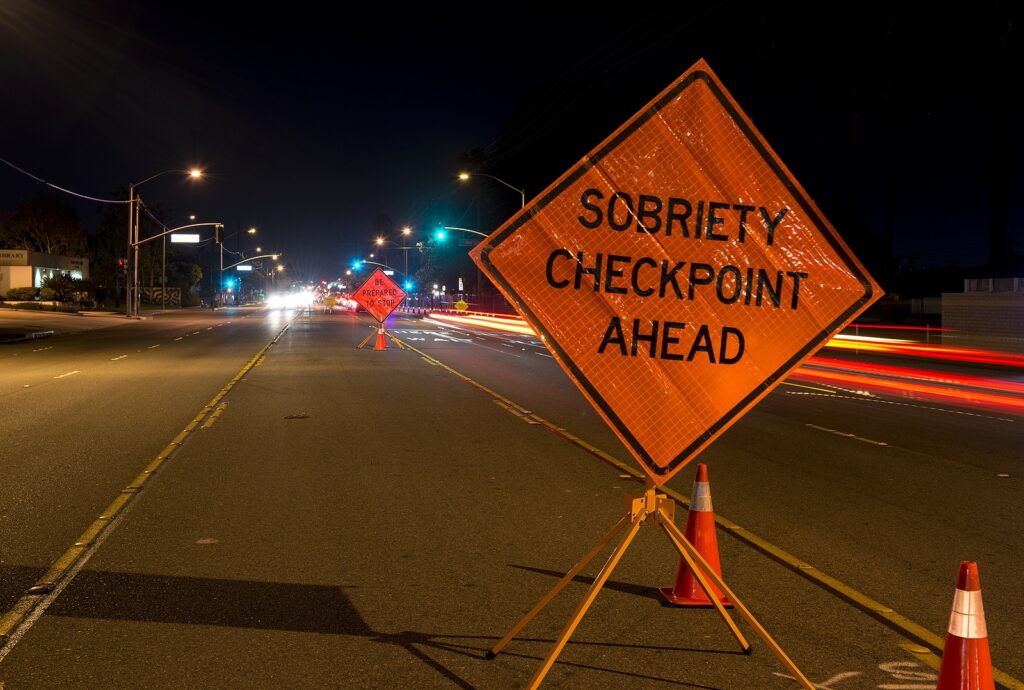
3. **Safety and Visibility**: Checkpoints must be established in a manner that is safe and visible. Sufficient lighting, signage, and personnel are vital to ensure the protection of both drivers and officers. This is especially crucial for motorcyclists, who may be at greater risk in inadequately marked zones.

4. **Duration and Location**: The time frame and setting of checkpoints should be reasonable. Typically, they are placed in locations with a history of DUI occurrences and during periods when impaired driving is more probable. Nevertheless, they must not lead to unnecessary inconvenience or pose risks to drivers.

5. **Minimal Intrusion**: The impact on drivers, including motorcyclists, should be kept to a minimum. Officers usually carry out brief engagements to detect signs of impairment. If no indicators are found, the motorist should be permitted to proceed without delay.

**Conclusion**

DUI checkpoints are a vital instrument in enhancing road safety and discouraging impaired driving. For motorcyclists, comprehending the constitutional guidelines and police restrictions regulating these checkpoints is crucial. By assuring that checkpoints are administered justly and transparently, law enforcement can preserve both public safety and personal rights. Motorcyclists should stay informed regarding their state’s specific laws and be ready to adhere to checkpoint practices while being conscious of their rights.