
December 12, 2025
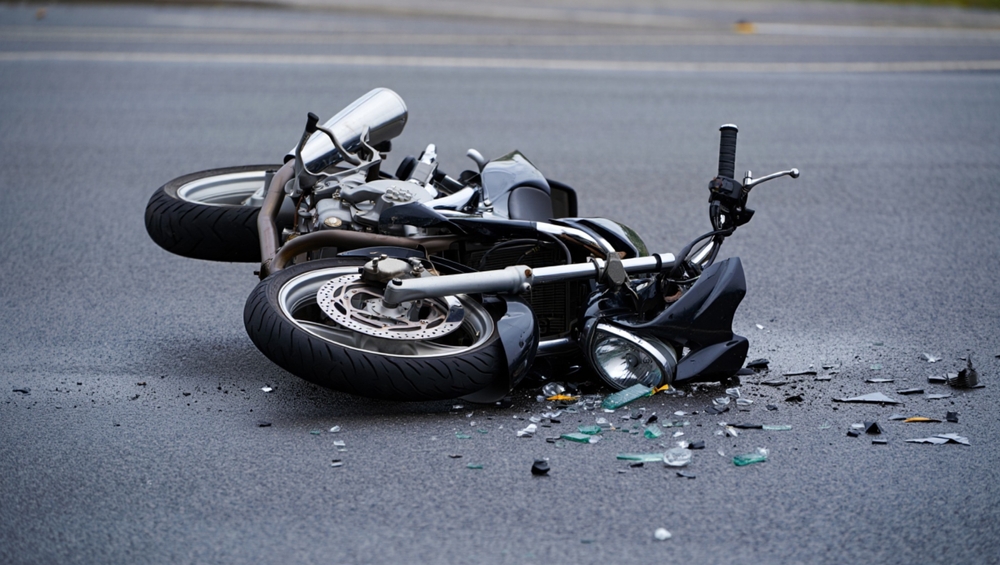
The Influence of Weather-Related Dangers on Motorcycle Accident Probabilities
Title: The Influence of Weather-Related Dangers on Motorcycle Accident ProbabilitiesIntroductionMotorcycling provides a feeling of freedom and excitement, but it also carries inherent dangers, especially when weather conditions worsen. Weather-related dangers greatly influence motorcycle accident probabilities, affecting visibility, road grip, and rider control. Recognizing these dangers can equip motorcyclists to prepare and adjust, possibly decreasing accident occurrences and improving safety.Weather-Related Dangers1. Rain and Slick Roads Rain is one of the most frequent weather-related dangers impacting motorcyclists. Slick roads diminish tire grip, raising the chances of skidding or hydroplaning. Oil and debris on the roadway become more treacherous when wet, further heightening the danger. Decreased visibility due to rain can also hinder a rider's capacity to spot obstacles or other vehicles, while fogged visors can impair eyesight.2. Snow and Ice Snow and ice create significant obstacles for motorcyclists. Ice patches, particularly black ice, are frequently invisible and can lead to abrupt loss of control. Snow diminishes grip and can hide road markings and dangers. Riding in snowy conditions necessitates considerable skill and caution, as stopping distances lengthen and maneuverability lessens.3. Wind Strong winds can unbalance motorcycles, especially when gusts are unpredictable or crosswinds are present. Riders may find it challenging to keep their lane position, and high winds can complicate motorcycle control, particularly at elevated speeds. Wind can also blow debris onto the roadway, creating further hazards.4. Fog Fog considerably limits visibility, making it tough for motorcyclists to see the road and for other drivers to see them. This elevates the risk of crashes. Fog can also lead to a moist road surface, further diminishing grip.5. Extreme Heat Though not as immediately perilous as rain or snow, extreme heat can impact motorcyclists by leading to exhaustion and dehydration. Heat can also affect the motorcycle's performance, especially if the engine overheats, which could trigger mechanical failures.Mitigation Strategies1. Gear and Equipment Wearing suitable gear is vital for lessening weather-related dangers. Waterproof clothing, anti-fog visors, and heated grips can enhance comfort and safety. High-visibility attire increases a rider’s visibility to other road users.2. Riding Techniques Modifying riding techniques to match weather conditions is essential. Slowing down, extending following distances, and steering clear of abrupt maneuvers can aid in maintaining control. Riders should be especially cautious at intersections and curves, where grip is most crucial.3. Pre-Ride Planning Reviewing weather forecasts before embarking can assist riders in anticipating and preparing for adverse conditions. If severe weather is likely, it may be prudent to postpone travel or select an alternative form of transportation.4. Motorcycle Maintenance Routine upkeep ensures that motorcycles are in prime condition to tackle adverse weather. Inspecting tire tread and pressure, brake performance, and lights can help avert accidents.ConclusionWeather-related dangers present considerable risks to motorcyclists, but with vigilance and preparation, these risks can be controlled. By comprehending how various weather conditions impact riding, motorcyclists can adopt proactive measures to boost their safety. Through appropriate gear, flexible riding techniques, and careful maintenance, riders can navigate weather challenges more adeptly, lowering the chances of accidents and enjoying a safer riding experience.


Title: The Influence of Weather-Related Dangers on Motorcycle Accident Probabilities

Introduction

Motorcycling provides a feeling of freedom and excitement, but it also carries inherent dangers, especially when weather conditions worsen. Weather-related dangers greatly influence motorcycle accident probabilities, affecting visibility, road grip, and rider control. Recognizing these dangers can equip motorcyclists to prepare and adjust, possibly decreasing accident occurrences and improving safety.

Weather-Related Dangers

1. Rain and Slick Roads
Rain is one of the most frequent weather-related dangers impacting motorcyclists. Slick roads diminish tire grip, raising the chances of skidding or hydroplaning. Oil and debris on the roadway become more treacherous when wet, further heightening the danger. Decreased visibility due to rain can also hinder a rider’s capacity to spot obstacles or other vehicles, while fogged visors can impair eyesight.

2. Snow and Ice
Snow and ice create significant obstacles for motorcyclists. Ice patches, particularly black ice, are frequently invisible and can lead to abrupt loss of control. Snow diminishes grip and can hide road markings and dangers. Riding in snowy conditions necessitates considerable skill and caution, as stopping distances lengthen and maneuverability lessens.

3. Wind
Strong winds can unbalance motorcycles, especially when gusts are unpredictable or crosswinds are present. Riders may find it challenging to keep their lane position, and high winds can complicate motorcycle control, particularly at elevated speeds. Wind can also blow debris onto the roadway, creating further hazards.

4. Fog
Fog considerably limits visibility, making it tough for motorcyclists to see the road and for other drivers to see them. This elevates the risk of crashes. Fog can also lead to a moist road surface, further diminishing grip.

5. Extreme Heat
Though not as immediately perilous as rain or snow, extreme heat can impact motorcyclists by leading to exhaustion and dehydration. Heat can also affect the motorcycle’s performance, especially if the engine overheats, which could trigger mechanical failures.

Mitigation Strategies

1. Gear and Equipment
Wearing suitable gear is vital for lessening weather-related dangers. Waterproof clothing, anti-fog visors, and heated grips can enhance comfort and safety. High-visibility attire increases a rider’s visibility to other road users.

2. Riding Techniques
Modifying riding techniques to match weather conditions is essential. Slowing down, extending following distances, and steering clear of abrupt maneuvers can aid in maintaining control. Riders should be especially cautious at intersections and curves, where grip is most crucial.

3. Pre-Ride Planning
Reviewing weather forecasts before embarking can assist riders in anticipating and preparing for adverse conditions. If severe weather is likely, it may be prudent to postpone travel or select an alternative form of transportation.

4. Motorcycle Maintenance
Routine upkeep ensures that motorcycles are in prime condition to tackle adverse weather. Inspecting tire tread and pressure, brake performance, and lights can help avert accidents.

Conclusion

Weather-related dangers present considerable risks to motorcyclists, but with vigilance and preparation, these risks can be controlled. By comprehending how various weather conditions impact riding, motorcyclists can adopt proactive measures to boost their safety. Through appropriate gear, flexible riding techniques, and careful maintenance, riders can navigate weather challenges more adeptly, lowering the chances of accidents and enjoying a safer riding experience.